JD Vance Iran deadline, Donald Trump Iran warning, U.S. deadline Iran response, Iran Strait of Hormuz crisis, Washington Iran ultimatum, Trump ultimatum Iran 2026, JD Vance statement Iran, U.S. Iran diplomacy April 2026, Iran response 8 PM EST, global oil trade Strait of Hormuz, U.S. Iran confrontation risk
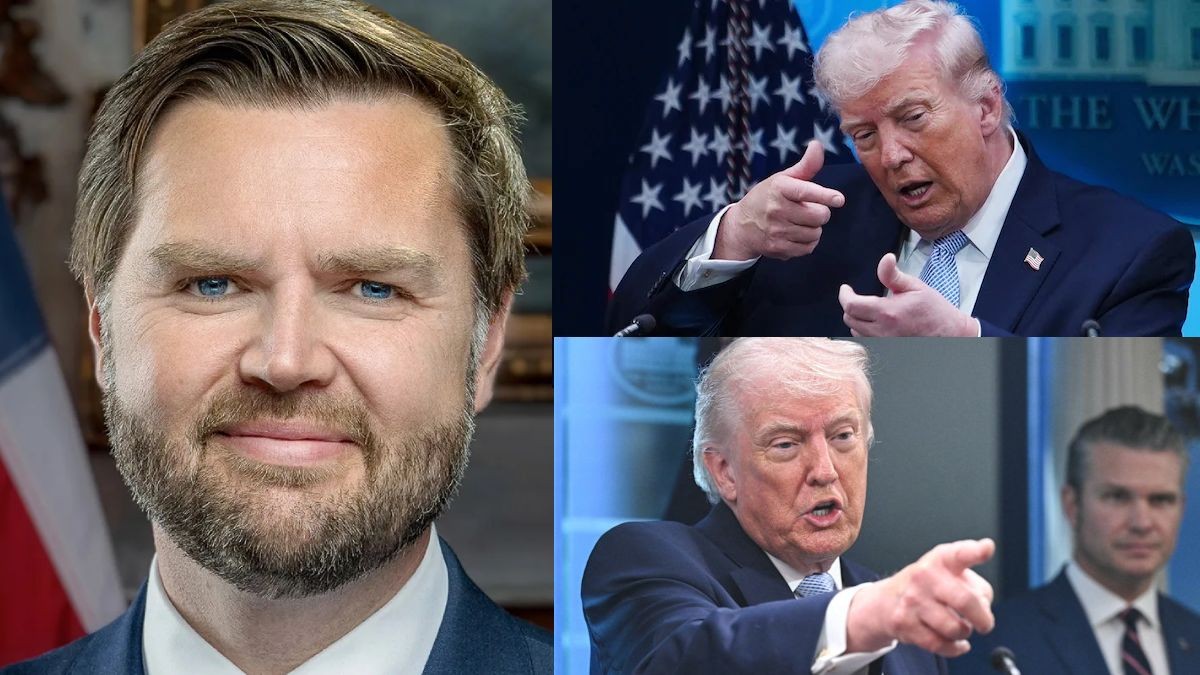
JD Vance announced that Washington is awaiting Iran’s response to Donald Trump’s ultimatum by 8 PM EST tonight. The deadline follows Trump’s warning over the Strait of Hormuz, raising global stakes for oil trade and regional stability. As the clock ticks, the world watches to see if diplomacy prevails or confrontation escalates.
Washington is on edge as the U.S. deadline for Iran’s response approaches—Vice President JD Vance confirmed that Tehran must reply by 8 PM EST tonight, following Donald Trump’s stark warning. The outcome could determine whether diplomacy prevails or confrontation escalates.
The Deadline and Trump’s Warning
President Donald Trump has set a firm deadline of 8 PM EST on April 7, 2026, demanding that Iran agree to reopen the Strait of Hormuz or face severe consequences. His warning was blunt, suggesting that failure to comply could lead to destructive action against Iran. This ultimatum underscores the administration’s hardline stance and highlights the strategic importance of the Strait, a vital artery for global oil shipments. The deadline has created a tense atmosphere in Washington and among U.S. allies, as the world waits to see how Tehran will respond.
JD Vance’s Position
Vice President JD Vance, speaking during a visit to Hungary, struck a more measured tone compared to Trump’s stark rhetoric. He stated that the “ball is in the Iranians’ court” and expressed confidence that a response—positive or negative—would arrive before the deadline. Vance acknowledged Iran’s history of slow negotiations and noted that delays in communication are common, but he emphasized that Washington expects clarity tonight. His remarks suggest cautious optimism, balancing Trump’s threats with a diplomatic outlook.
Global Stakes
The Strait of Hormuz is one of the world’s most critical maritime chokepoints, with nearly 20% of global oil trade passing through it. Any disruption could send shockwaves through international markets, raising energy prices and destabilizing economies. Allies in Europe and Asia are closely monitoring the situation, aware that escalation could have far-reaching consequences. The U.S. deadline is not just about Iran—it is about safeguarding global trade routes and asserting American influence in the region.
What Comes Next
As the clock ticks toward 8 PM EST, uncertainty looms. If Iran complies, it could mark a breakthrough in easing tensions and potentially pave the way for broader negotiations. If Tehran resists, however, the risk of military confrontation rises sharply. Vance has hinted that the conflict with Iran could conclude “very shortly,” but stressed that the final outcome depends entirely on Tehran’s decision. For now, Washington, its allies, and millions worldwide remain in suspense, awaiting Iran’s response to one of the most consequential deadlines in recent history.