
Benjamin Netanyahu has announced that there will be no ceasefire in Lebanon, stating that military operations will continue until security is restored for residents in northern Israel. The announcement comes amid ongoing cross-border hostilities involving the militant group Hezbollah.
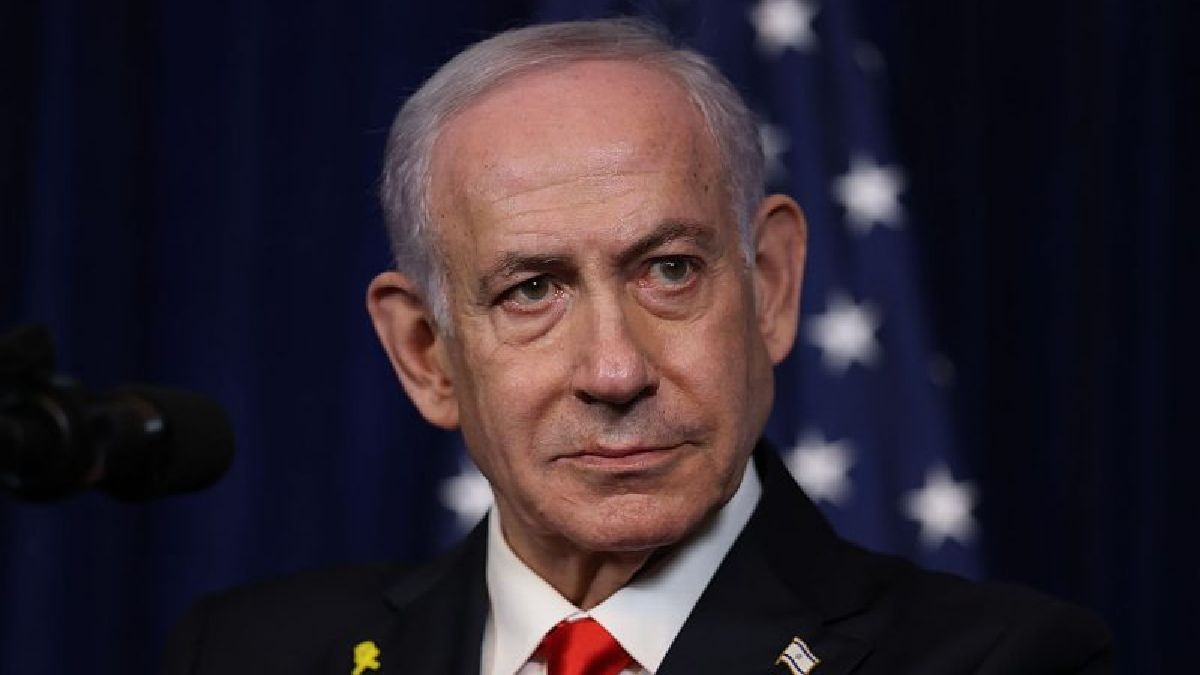
Speaking after a high-level cabinet meeting, Netanyahu emphasized that Israel’s primary objective is to ensure the safe return of citizens displaced from northern regions due to repeated rocket attacks and security threats. He stated that Israeli forces would continue striking Hezbollah positions with what he described as “full force,” underscoring the government’s commitment to maintaining national security and deterring further attacks.
At the same time, Netanyahu confirmed that he has instructed his cabinet to initiate direct negotiations with Lebanon as soon as possible. The proposed talks are expected to focus on the disarmament of Hezbollah and the creation of long-term security arrangements along the Israel–Lebanon border. According to officials, the negotiations aim not only to reduce hostilities but also to explore pathways toward more stable and peaceful relations between the two neighboring countries.
The developments follow a series of Israeli airstrikes across parts of Lebanon that reportedly resulted in at least 303 deaths, according to preliminary reports from regional authorities and humanitarian sources. The rising casualty figures have triggered widespread international concern, with global leaders and organizations calling for restraint and renewed diplomatic engagement to prevent further escalation.
Analysts note that the dual approach of sustained military action alongside diplomatic outreach reflects Israel’s strategy to weaken Hezbollah’s operational capabilities while leaving room for negotiated solutions. However, experts also warn that achieving the disarmament of Hezbollah through negotiations may prove challenging, given the group’s strong influence within Lebanon’s political and military landscape.
As the situation continues to evolve, international observers are closely monitoring developments, particularly the potential impact on regional stability and civilian safety. The coming weeks are expected to be critical, as military operations persist and diplomatic channels begin to take shape amid growing global calls for de-escalation and long-term peace efforts.