Tensions in the Middle East have intensified after U.S. President Donald Trump issued a stern warning to Iran following reports that ships passing through the Strait of Hormuz are being restricted and possibly charged toll fees. The statement comes at a time when global shipping traffic in the region has already slowed dramatically due to rising security concerns.
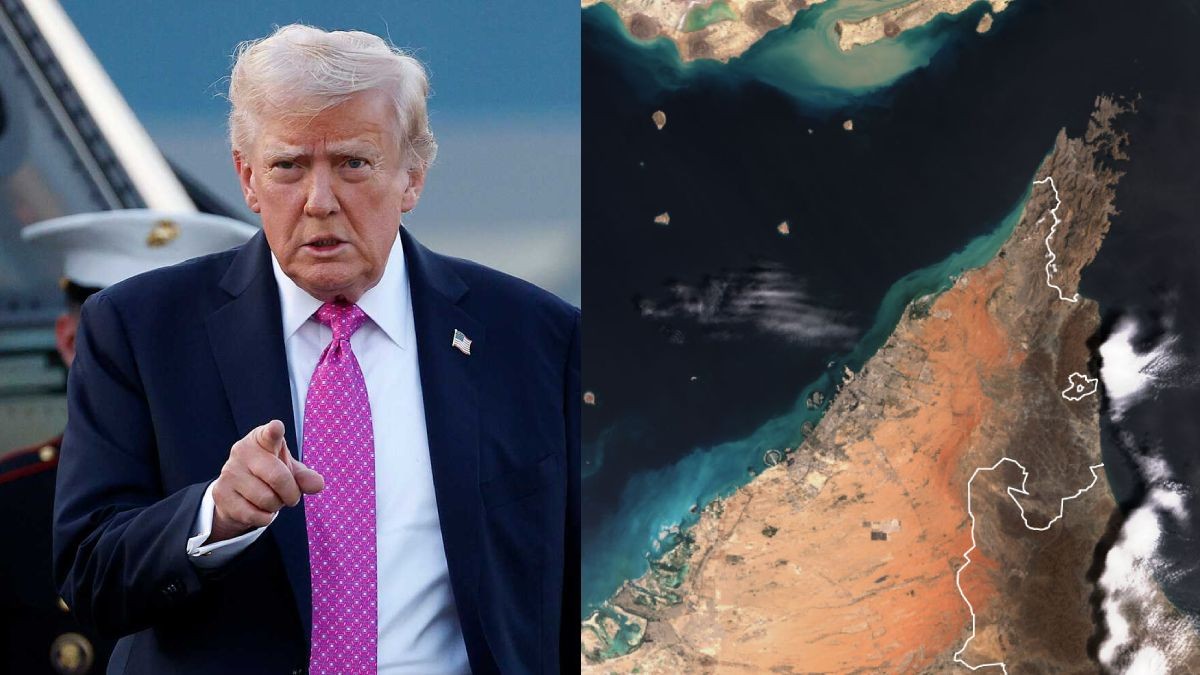
According to emerging reports, Iran has been limiting the number of ships allowed to pass through the Strait of Hormuz, one of the world’s most important oil transit routes. In response to these developments, President Trump warned that Iran must immediately halt any attempt to charge fees or restrict free passage. He reportedly said that if Iran is indeed collecting tolls from vessels, “they better stop now,” signaling strong opposition from Washington.
The Strait of Hormuz is a strategic maritime chokepoint through which a significant portion of the world’s oil supply passes every day. Recent data indicates that traffic through the strait has fallen sharply, with only a handful of ships passing daily compared to normal levels. Hundreds of vessels have reportedly been delayed, contributing to disruptions in global energy supply and pushing oil prices to record highs.
International organizations have also raised concerns about the legality of such tolls. Maritime authorities have warned that charging fees for transit through an international strait would violate established global maritime rules, which guarantee free navigation through key waterways. Experts say imposing tolls could set a “dangerous precedent” and escalate tensions among major global powers.
Diplomatic efforts are ongoing to prevent the situation from spiraling into a wider conflict. Several countries, including the United Kingdom and other allies, are reportedly working with the United States to restore safe navigation and reopen the strait fully. Leaders are exploring coordinated strategies to ensure that ships can travel safely without restrictions or additional costs.
Meanwhile, the crisis remains closely tied to broader geopolitical tensions in the region. Iran’s continued control and restrictions in the strait have raised fears of further escalation, with global markets and governments watching closely. If the situation worsens, experts warn it could significantly impact global trade, fuel prices, and regional stability in the coming weeks.