
SpaceX CEO Elon Musk has once again captured global attention with his latest announcement: plans to build factories on the Moon. This bold vision, if realized, could mark a turning point in humanity’s journey toward becoming a multi-planetary species. Musk’s statement highlights not only the ambition of SpaceX but also the growing momentum in the space industry to expand beyond Earth.
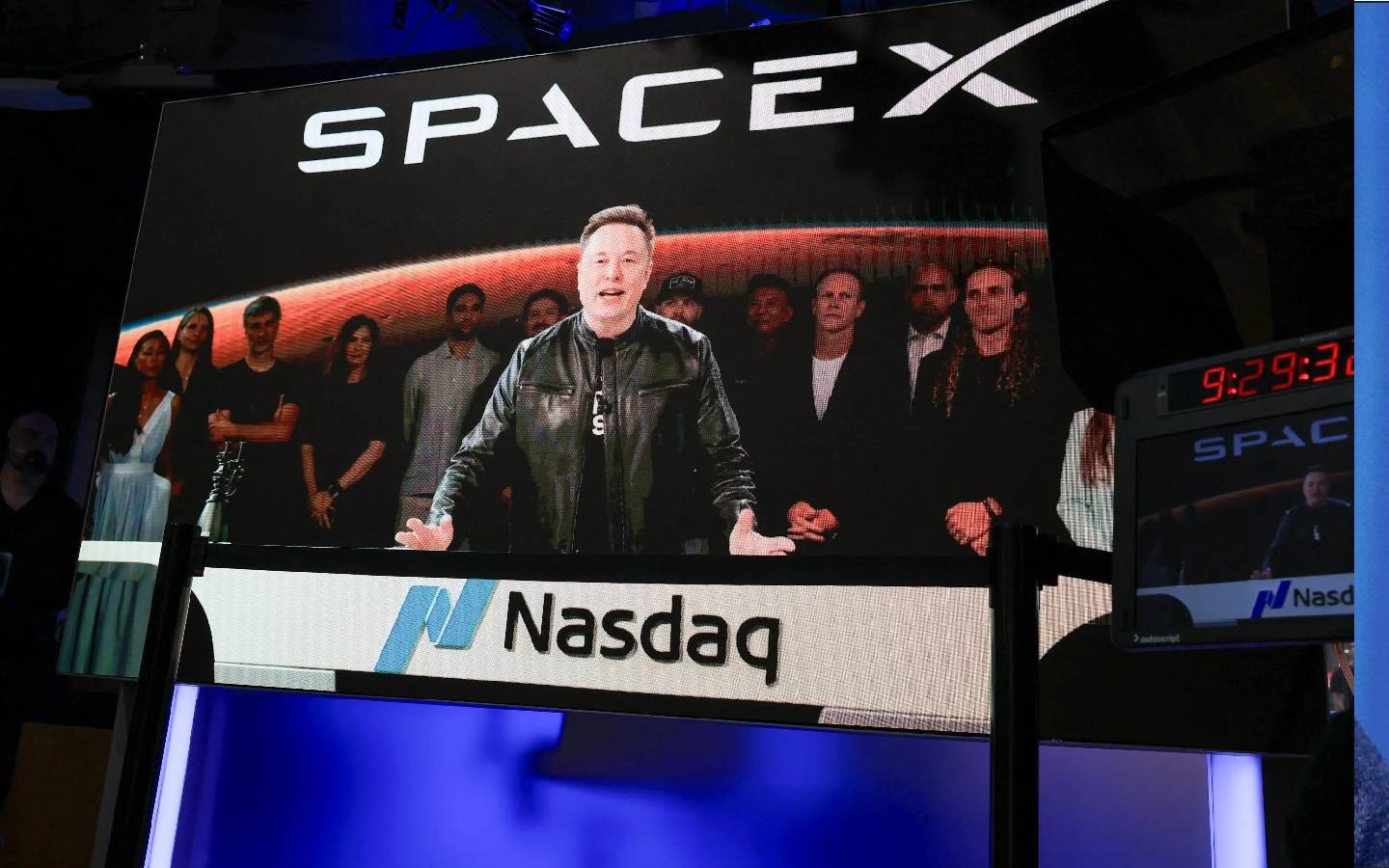
The idea of lunar factories is rooted in practicality. Transporting materials from Earth to space is costly and resource-intensive. By establishing manufacturing hubs directly on the Moon, SpaceX could drastically reduce expenses and streamline operations for future missions. These factories could produce essential components for spacecraft, habitats, and even energy systems, making lunar colonization more sustainable.
Musk’s vision also aligns with the broader goal of creating a self-sufficient lunar economy. Factories on the Moon could utilize local resources, such as regolith, to manufacture building materials. This approach, known as in-situ resource utilization (ISRU), is considered vital for long-term space exploration. By harnessing lunar resources, humanity could reduce dependence on Earth and accelerate the development of permanent settlements.
The announcement has sparked debates among experts. Some see it as a groundbreaking step toward industrializing space, while others raise concerns about technological feasibility and international regulations. Building factories on the Moon would require advanced robotics, autonomous systems, and reliable energy sources, all of which remain significant challenges. Moreover, questions about governance and ownership of lunar resources are likely to intensify as such projects move forward.
Despite these hurdles, Musk’s track record of turning ambitious ideas into reality lends credibility to the plan. SpaceX has already revolutionized space travel with reusable rockets and ambitious projects like Starship, designed for deep-space missions. Factories on the Moon could serve as a natural extension of these innovations, paving the way for Mars colonization and beyond.
The implications of lunar factories extend far beyond space exploration. They could open new opportunities for industries such as mining, energy, and manufacturing, while inspiring global collaboration in science and technology. Musk’s vision underscores the idea that the Moon is not just a destination but a stepping stone toward humanity’s future among the stars.
As SpaceX continues to push boundaries, the prospect of factories on the Moon reminds us that the age of space industry is closer than ever. Whether this vision becomes reality in the coming decades will depend on technological breakthroughs, international cooperation, and the relentless pursuit of innovation.