U.S. President Donald Trump has claimed that he is Iran's "number one" target following reports of a security alert involving Air Force One. His remarks have once again brought global attention to the long-standing tensions between the United States and Iran, particularly over national security and the threats faced by current and former American leaders.
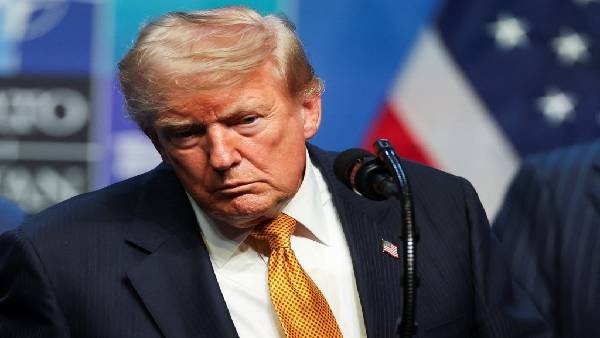
Speaking to reporters, Trump stated that Iranian authorities continue to view him as their primary target due to decisions made during his presidency. He suggested that intelligence assessments and security agencies have remained vigilant because of the perceived risks surrounding his safety. Although he did not provide specific evidence to support his latest claim, his comments came shortly after reports emerged of heightened security measures involving Air Force One, prompting widespread discussion about potential threats.
The reported security alert reportedly led to additional precautionary protocols being implemented before the presidential aircraft's operations. While officials have not publicly disclosed the exact nature of the alert, aviation security experts note that any perceived threat involving Air Force One is treated with the highest level of seriousness. The aircraft, often described as one of the most secure in the world, operates under extensive security procedures designed to protect the President of the United States from a wide range of risks.
Trump linked the alleged threat directly to escalating tensions with Iran that date back to his administration. Relations between Washington and Tehran deteriorated significantly during his presidency, particularly after the U.S. withdrew from the Iran nuclear agreement and imposed sweeping economic sanctions. The situation intensified further following the 2020 U.S. drone strike that killed Iranian military commander Qasem Soleimani. Since then, Iranian officials have repeatedly condemned the operation and have vowed to pursue accountability through various means.
Security analysts have frequently warned that high-profile political figures can remain potential targets long after leaving office. Former presidents continue to receive protection from the United States Secret Service, particularly when intelligence agencies identify credible threats. However, officials generally avoid publicly discussing specific security measures or ongoing intelligence assessments to prevent compromising protective operations.
The latest remarks have also fueled political debate in the United States. Supporters argue that Trump's comments highlight the continued security challenges posed by hostile foreign governments, while critics have urged caution against drawing conclusions before official agencies release verified information. As of now, neither U.S. intelligence agencies nor the White House have publicly confirmed details regarding any direct Iranian plot connected to the reported Air Force One security alert.
The incident underscores the fragile nature of relations between the United States and Iran, where diplomatic tensions continue to influence regional security and global politics. With conflicts across the Middle East and ongoing concerns about terrorism and state-sponsored threats, security agencies remain alert to any information that could endanger senior government officials or national infrastructure.
While Trump's statement has attracted widespread media attention, many questions remain unanswered regarding the reported security alert and whether it was linked to any credible foreign threat. Authorities are expected to continue monitoring the situation closely, while official investigations and intelligence assessments will determine whether additional information can be made public. Until then, the episode serves as another reminder of the complex security environment surrounding high-profile political leaders and ongoing geopolitical rivalrie