
U.S. President Donald Trump has said his administration plans to replace the proposed 20% cargo fee on shipments passing through the Strait of Hormuz with a series of new trade agreements, signaling a shift in strategy aimed at strengthening economic ties while maintaining pressure on global trade partners.
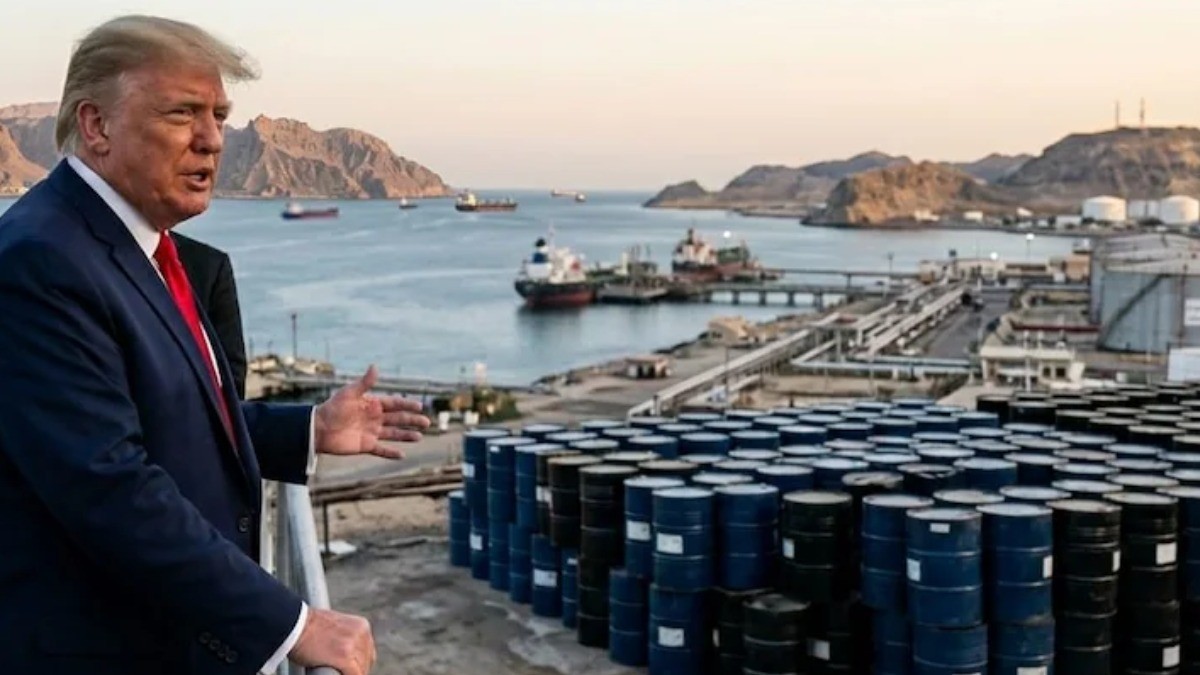
Speaking about the proposal, Trump indicated that instead of imposing a broad cargo fee on goods transported through one of the world's busiest maritime routes, the administration would focus on negotiating trade deals that could achieve similar economic and strategic objectives.
The Strait of Hormuz is one of the world's most critical shipping lanes, with a significant portion of global crude oil and liquefied natural gas exports passing through the narrow waterway each day. Any policy affecting trade through the strait has the potential to influence global energy markets, shipping costs, and international commerce.
The proposed 20% cargo fee had attracted attention from industry observers, who warned that such a levy could increase transportation costs for businesses and potentially raise prices for consumers. Importers, exporters, and shipping companies closely monitored the discussions due to the strategic importance of the route.
Trump's latest comments suggest that the administration now prefers to pursue bilateral and multilateral trade agreements rather than introducing a blanket fee. According to the President, expanding trade partnerships could generate economic benefits while avoiding additional costs for global supply chains.
Although specific details of the proposed trade agreements have not yet been disclosed, analysts believe they could involve tariff reductions, investment incentives, and broader economic cooperation with key trading partners.
Market participants are expected to closely watch any formal policy announcements, as changes affecting the Strait of Hormuz can have far-reaching implications for global oil prices, shipping insurance, logistics, and international trade flows.
Economists note that reducing uncertainty around shipping costs could provide relief to businesses already navigating volatile energy prices and geopolitical tensions. However, the long-term impact will depend on the scope and effectiveness of any agreements ultimately reached.
The administration has not announced a timeline for finalizing the proposed trade deals or confirmed whether the cargo fee proposal has been officially withdrawn. Further details are expected as negotiations progress.
Trump's statement reflects an effort to balance economic interests with broader trade policy objectives. As global markets continue to respond to geopolitical developments, investors and businesses will be watching closely to see how the administration's evolving approach influences international commerce and maritime trade.