No New Iran Strikes for Now, Rubio Tells Allies as US Tightens Economic Pressure
The United States is temporarily stepping back from launching additional strikes against Iran, with Secretary of State Marco Rubio telling several allied foreign ministers that Washington does not currently expect to carry out new military attacks. Instead, the Trump administration is shifting its immediate focus toward economic sanctions, financial pressure and measures aimed at restricting Iran’s ability to generate revenue.
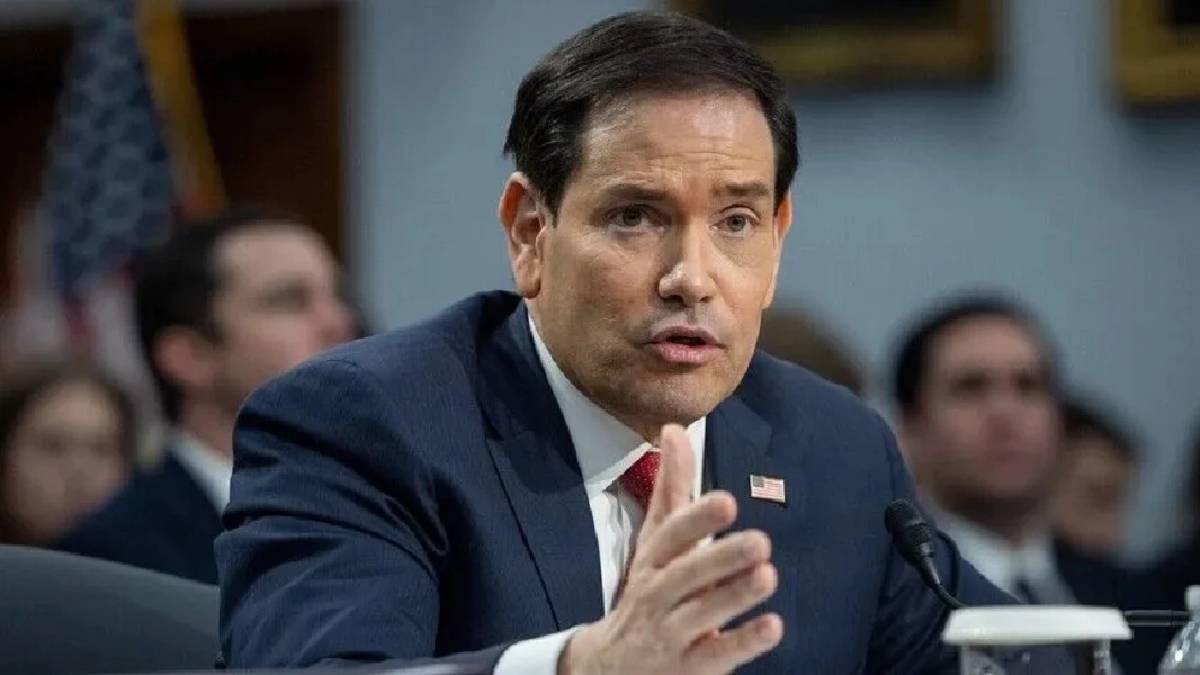
The reported change in strategy comes after months of conflict between the US and Iran and growing international concern over further military escalation. Rubio’s message to allies indicates that Washington is seeking to increase pressure on Tehran without immediately expanding its military campaign. However, the decision does not necessarily mean that military options have been permanently removed from consideration.
US Shifts Focus to Economic Pressure
The Trump administration is now placing greater emphasis on sanctions and economic measures designed to weaken Iran’s financial position. The US Treasury has announced sanctions targeting dozens of individuals, entities and vessels connected to Iran. Washington is also seeking to put pressure on countries and businesses that continue to facilitate Iranian trade.
The strategy is closely connected to the continuing struggle over the Strait of Hormuz, one of the world's most important energy chokepoints. Around 20% of global oil and liquefied natural gas shipments normally pass through the waterway, making its security crucial to international energy markets.
Strait of Hormuz Remains Central
Washington has been working to increase the movement of oil tankers through the Strait of Hormuz while attempting to reduce Iran's ability to use the waterway as economic leverage. Reports indicate that the US believes mine-clearing operations and improved security have helped increase the number of vessels able to pass through the strategic route.
The situation remains fragile, however. The conflict has disrupted energy supplies and contributed to higher global inflationary pressures, while Iran continues to resist US demands.
Pressure on Iran’s Economy Intensifies
The economic campaign is already creating significant pressure inside Iran. US sanctions and restrictions have contributed to fuel shortages, currency weakness and rising economic hardship. Washington's broader objective is to disconnect Iran from international financial and trading networks and force Tehran to make concessions.
At the same time, China remains a major challenge for the US strategy because it is Iran's principal trading partner and biggest buyer of Iranian oil. Analysts say Beijing is unlikely to completely sever its economic relationship with Tehran, creating a major obstacle for Washington's attempt to isolate Iran.
Military Escalation Still Possible
Although Rubio has reportedly told allies that no new strikes are currently planned, the pause should not necessarily be interpreted as the end of the military confrontation. The US continues to maintain military capabilities in the region, while tensions surrounding Iran, the Strait of Hormuz and regional security remain high.
For now, Washington appears to be testing whether economic pressure can achieve its objectives without another round of military strikes. The success or failure of that strategy could determine whether the next phase of the US-Iran confrontation is dominated by negotiations and sanctions—or a return to military escalation.