
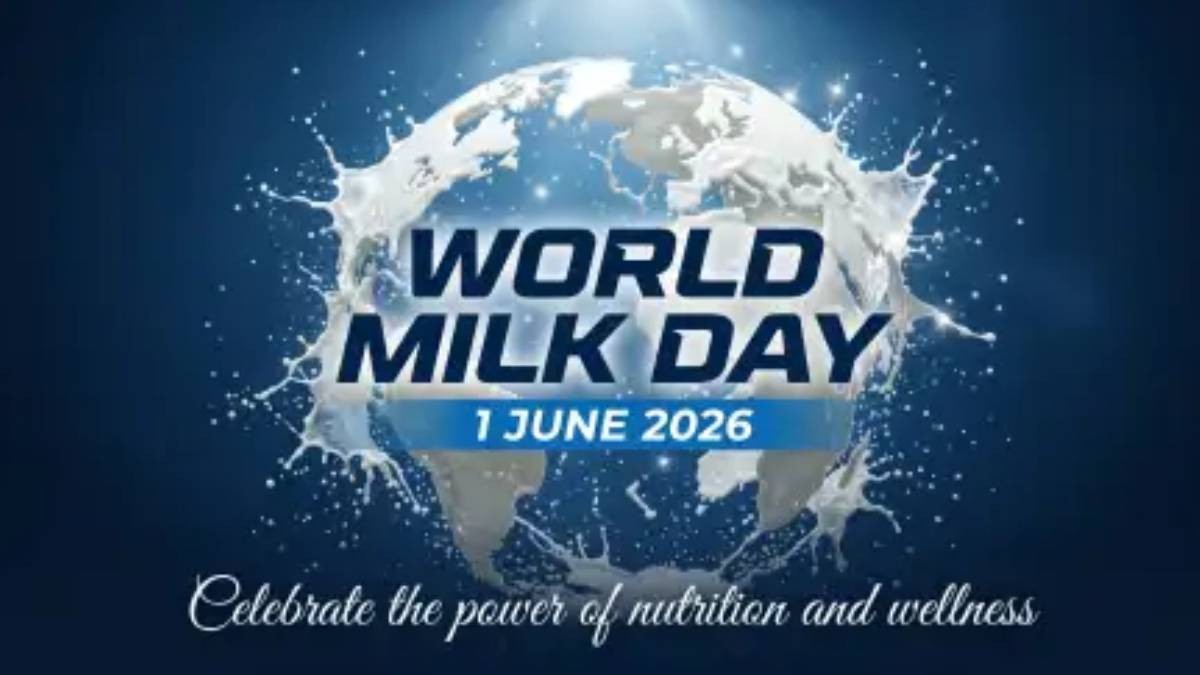
World Milk Day, celebrated every year on June 1, is a global occasion dedicated to highlighting the importance of milk and the dairy sector in nutrition, livelihoods, and sustainable agriculture. Established by the Food and Agriculture Organization (FAO) in 2001, the day has grown into a worldwide movement, now observed in more than 100 countries through campaigns, awareness drives, and community events.
Milk, often called a “complete food,” provides essential nutrients such as calcium, protein, and vitamins that are vital for growth and overall health. The day emphasizes not only the nutritional value of milk but also the role of dairy farming in supporting rural economies and millions of livelihoods. In 2026, the theme “Celebrating Women Farmers” shines a spotlight on the contributions of women in dairy cooperatives and rural communities, recognizing their leadership in ensuring food security and sustainable practices.
India, the world’s largest milk producer, plays a central role in World Milk Day celebrations. With nearly 23% of global milk production, India’s dairy cooperatives like Amul and Nandini empower millions of farmers, many of them women, by providing income, training, and opportunities for growth. Schools, farmer groups, and organizations across the country mark the day with milk distribution drives, nutrition awareness programs, and cultural events that highlight the importance of dairy in everyday life.
Globally, World Milk Day also serves as a platform to discuss sustainable dairy farming practices, reducing the carbon footprint of the industry, and promoting eco-friendly innovations. It connects communities across continents, reminding the world that behind every glass of milk are farmers, families, and workers who sustain the dairy chain.