
The recent statement attributed to Chinese President Xi Jinping regarding the U.S. naval blockade underscores Beijing’s firm stance on sovereignty and resistance to external pressure. Xi emphasized that the Chinese people “uphold justice and are not intimidated by threats of force,” highlighting a narrative of national pride and resilience. He asserted that China has never bullied or oppressed other nations and will never do so, but equally stressed that no foreign power will be allowed to bully or subjugate China. His words, invoking a “great wall of steel forged by over 1.4 billion Chinese people,” are designed to project unity, strength, and deterrence against perceived external threats.
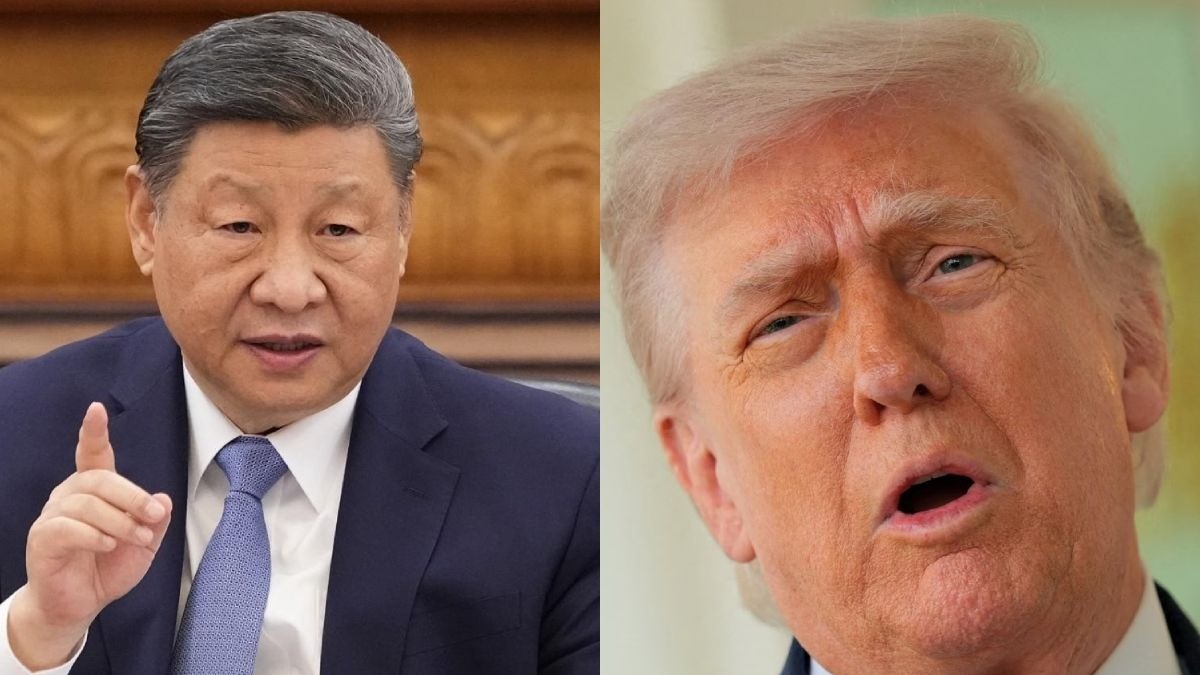
This message reflects China’s broader geopolitical posture in the Indo-Pacific, where tensions with the United States have escalated over maritime security, trade, and strategic influence. By framing the issue as one of justice and national dignity, Xi is appealing both to domestic audiences—reinforcing the legitimacy of the Communist Party—and to international observers, positioning China as a nation that values fairness while refusing to yield to coercion. The imagery of a “great wall of steel” is symbolic, evoking historical resilience while signalling modern military and economic strength.
At its core, the statement is a warning: any attempt to undermine China’s sovereignty or strategic interests will be met with unified resistance. It also serves as a reassurance to allies and partners that China intends to remain steadfast in the face of external pressure. While the U.S. naval presence in contested waters is framed as a challenge, Xi’s rhetoric seeks to transform that challenge into an opportunity to rally national pride and reinforce China’s global image as a rising power unwilling to be subdued.
In the evolving landscape of international relations, such declarations highlight the sharpening divide between major powers. They also illustrate how language and symbolism are used as tools of diplomacy and deterrence. Whether this rhetoric translates into concrete policy shifts or remains a