
The sudden boom in jamun fruit harvests this season has sparked a lively debate across social media, blending folklore, science, and market realities. A detailed thread by Simply Padmaja on X explained the phenomenon through the concept of “masting”—a survival strategy where trees under stress produce extra seeds to ensure regeneration. Padmaja backed her explanation with family lore and photos of heavily laden branches, which quickly drew attention and responses.
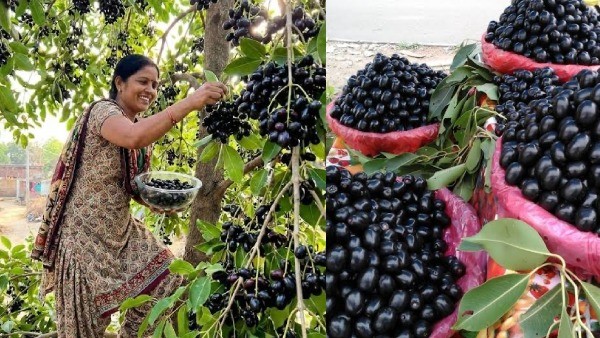
Replies to the thread reflected a mix of perspectives. Some users agreed, noting that jamun prices in Hyderabad had nearly doubled despite the abundance, while one farmer warned of potential risks tied to overproduction. Skeptics, however, argued that the surge was more likely due to biennial fruiting cycles, hybrid varieties, or natural fluctuations, dismissing the drought connection as folklore. A fact-check further clarified that while masting is a real biological process, linking it directly to drought conditions was mostly false.
Experts have weighed in with scientific explanations. They attribute the bumper crop to dry early-season weather, which improved pollination efficiency after the heavy rains of the previous year. This combination of climatic factors created ideal conditions for jamun trees to bear fruit in abundance. Such cycles are not unusual in horticulture, where weather patterns often dictate yields more than folklore-driven interpretations.
The debate comes at a time when the India Meteorological Department (IMD) has forecast a below-normal monsoon for 2026, estimating rainfall at 90% of the long-term average. This has added fuel to discussions, with some interpreting the jamun boom as a natural warning sign, while others stress the importance of relying on scientific data rather than anecdotal traditions.
Beyond the folklore, the jamun surge has real economic implications. Farmers and vendors are navigating fluctuating prices, with demand rising in urban markets even as supply floods rural areas. For consumers, the abundance means greater availability of the fruit, though regional price variations remain significant.