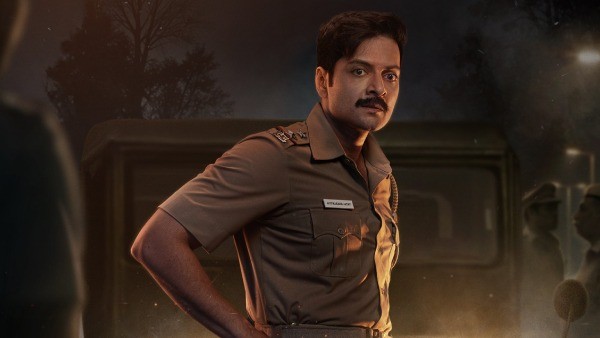
The newly released thriller series Raakh has ignited heated debate among viewers for its portrayal of events loosely inspired by the infamous Ranga-Billa case of 1978. Spanning eight episodes, the show stars Ali Fazal as a Dalit police officer investigating upper-caste Hindu killers who abduct and murder siblings in Delhi. While the series draws from the real-life tragedy of Geeta and Sanjay Chopra, critics argue that significant changes to the killers’ and investigators’ backgrounds distort the historical narrative.
The original case involved Sikh taxi drivers Ranga and Billa, whose crime shocked the nation and led to widespread outrage. By reimagining the perpetrators and the investigating officer’s identity, Raakh has been accused of pushing a caste-driven agenda. Social media reactions have been swift, with some viewers condemning the creative liberties taken, claiming they misrepresent the actual events and risk fueling unnecessary divisions.
On the other hand, defenders of the series emphasize its fictional nature. They argue that Raakh is not intended to be a factual retelling but rather a work of art inspired by true events. For them, the show’s gritty tension, layered storytelling, and Ali Fazal’s compelling performance outweigh concerns about historical accuracy. Fazal’s portrayal of a determined officer navigating systemic challenges has been widely praised, adding depth to the narrative.
The controversy highlights a broader conversation about the balance between creative freedom and responsibility when adapting real-life incidents. While filmmakers often reshape stories to fit dramatic arcs, audiences increasingly demand clarity on what is fact and what is fiction. In the case of Raakh, the blurred lines have sparked both admiration and criticism, reflecting the complexities of storytelling in a socially sensitive landscape.
Despite the backlash, the series has succeeded in drawing attention and sparking dialogue. Its tense atmosphere, sharp direction, and bold narrative choices ensure that it remains a talking point in India’s OTT space. Whether viewed as a provocative reimagining or a problematic distortion, Raakh underscores the power of cinema to challenge, provoke, and engage audiences in debates that extend far beyond the screen