India’s ambition to re-establish itself on the Formula 1 calendar reflects a larger push to position the country as a hub for global sports events. The Modi government is actively working to bring F1 back in 2027, focusing on resolving the tax and regulatory hurdles that forced the sport to exit after its last race at the Buddh International Circuit in Greater Noida in 2013. At least three companies have expressed interest in managing the circuit, signaling renewed commercial confidence. While Formula 1 itself has stated that a 2027 return is “highly unlikely,” it has also confirmed that India remains a market of interest, given the country’s growing economy, expanding fan base, and strategic importance in Asia.
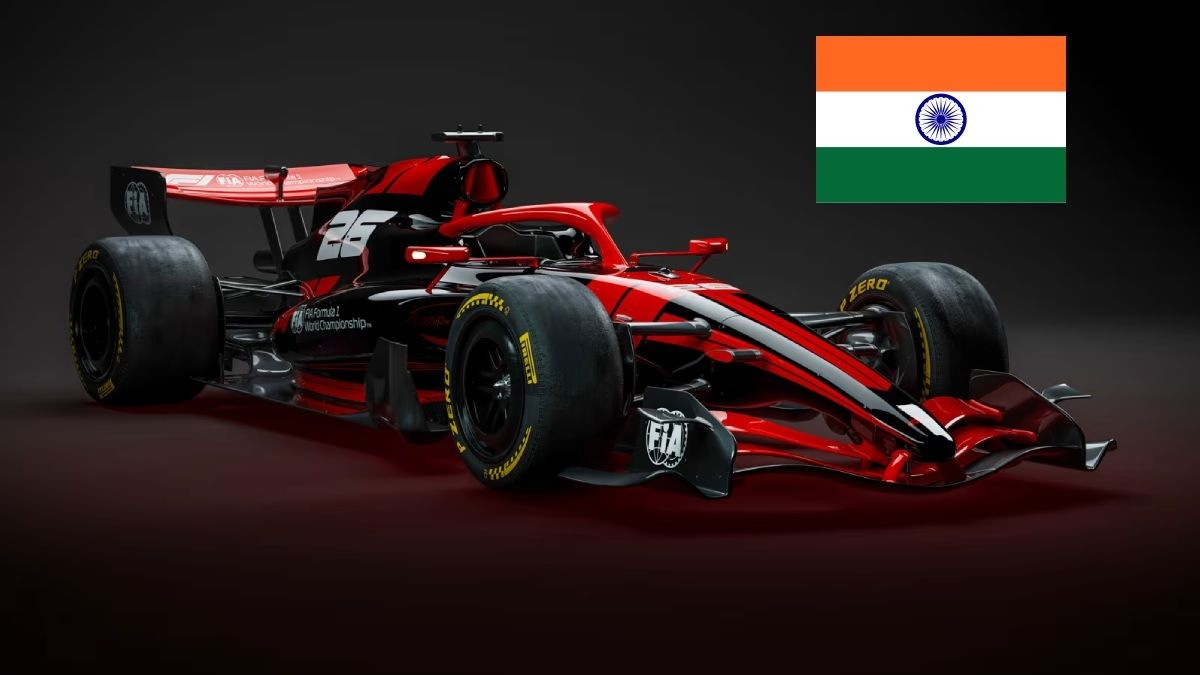
As a stepping stone, the government is planning to organise a MotoGP event, which would serve as both a test case and a showcase of India’s ability to host large-scale motorsport competitions. MotoGP, with its global following and relatively lower logistical demands compared to F1, could help India demonstrate its readiness to meet international standards in infrastructure, safety, and event management. This strategy mirrors how other countries have used smaller motorsport events to build credibility before securing Formula 1 contracts.
Beyond motorsport, India has already proven its capacity to host major international sporting events. The country successfully staged the 2023 Cricket World Cup, drawing millions of fans and global attention. It has also hosted international badminton, hockey, and football tournaments, each reinforcing India’s reputation as a capable organiser. The government’s emphasis on sports infrastructure, combined with private investment, is steadily transforming Bharat into a destination for global athletics and entertainment.
The return of Formula 1 would be more than just a sporting milestone—it would symbolise India’s arrival as a serious player in the global sports economy. Hosting F1 requires not only financial commitment but also seamless coordination across government agencies, private stakeholders, and international bodies. Even if 2027 proves too soon, the groundwork being laid today—through MotoGP and other international events—suggests that India is determined to reclaim its place on the motorsport map. With its massive youth population, rising disposable incomes, and growing appetite for diverse sports, Bharat is steadily emerging as a major hub for international sporting spectacles.