
In a recent podcast interview with ANI, former Indian Premier League (IPL) founder Lalit Modi made explosive claims about underworld interference in cricket’s most lucrative tournament. Modi alleged that Dawood Ibrahim, the notorious underworld don, ordered three failed assassination attempts against him after he refused to allow match-fixing or D-Company control over an IPL franchise.
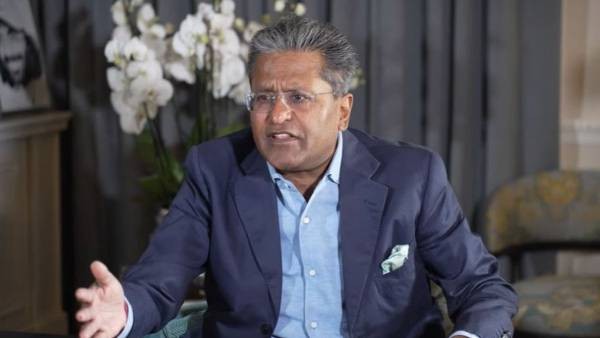
According to Modi, these threats were a key factor in his controversial decision to shift the 2009 IPL season to South Africa, coinciding with India’s general elections. He argued that the move was not only about logistical challenges but also about ensuring security, as the relocation disrupted massive betting syndicates tied to organized crime.
Modi also revisited the Kochi Tuskers Kerala franchise scandal, claiming that political pressure surrounded the team’s bid. He alleged that Sunanda Pushkar, wife of Congress leader Shashi Tharoor, received questionable sweat equity in the franchise, raising concerns about transparency and undue influence. The controversy eventually led to Tharoor’s resignation from ministerial office, though the team itself was later terminated from the IPL.
Despite these allegations, Modi’s claims remain unverified, with no public records confirming assassination attempts, kidnapping incidents, or direct underworld involvement. His narrative, however, adds another layer to the already complex history of the IPL, which he launched in 2008 by blending T20 cricket with Bollywood-style entertainment, transforming the sport into a global spectacle.
Modi’s tenure as IPL commissioner was marked by both innovation and controversy. While he is credited with revolutionizing cricket’s commercial landscape, his career has been shadowed by allegations of financial irregularities and political battles. His latest remarks reignite debates about the intersection of sports, crime, and politics in India.
Observers note that whether or not Modi’s claims are substantiated, they highlight the vulnerabilities of high-stakes sporting events to external pressures. The IPL’s meteoric rise has always attracted scrutiny, and Modi’s account underscores the challenges of safeguarding integrity in a tournament that commands billions in revenue and global attention.