
Actress Chitrangda Singh recently stirred conversation with her comments about women leading films like Dhurandhar. She stated that “physically and biologically” women cannot take on such roles, suggesting that audiences may not accept female characters in the same way they embrace Ranveer Singh’s portrayal. Her words have drawn attention because they touch on long-standing debates about gender and representation in cinema.
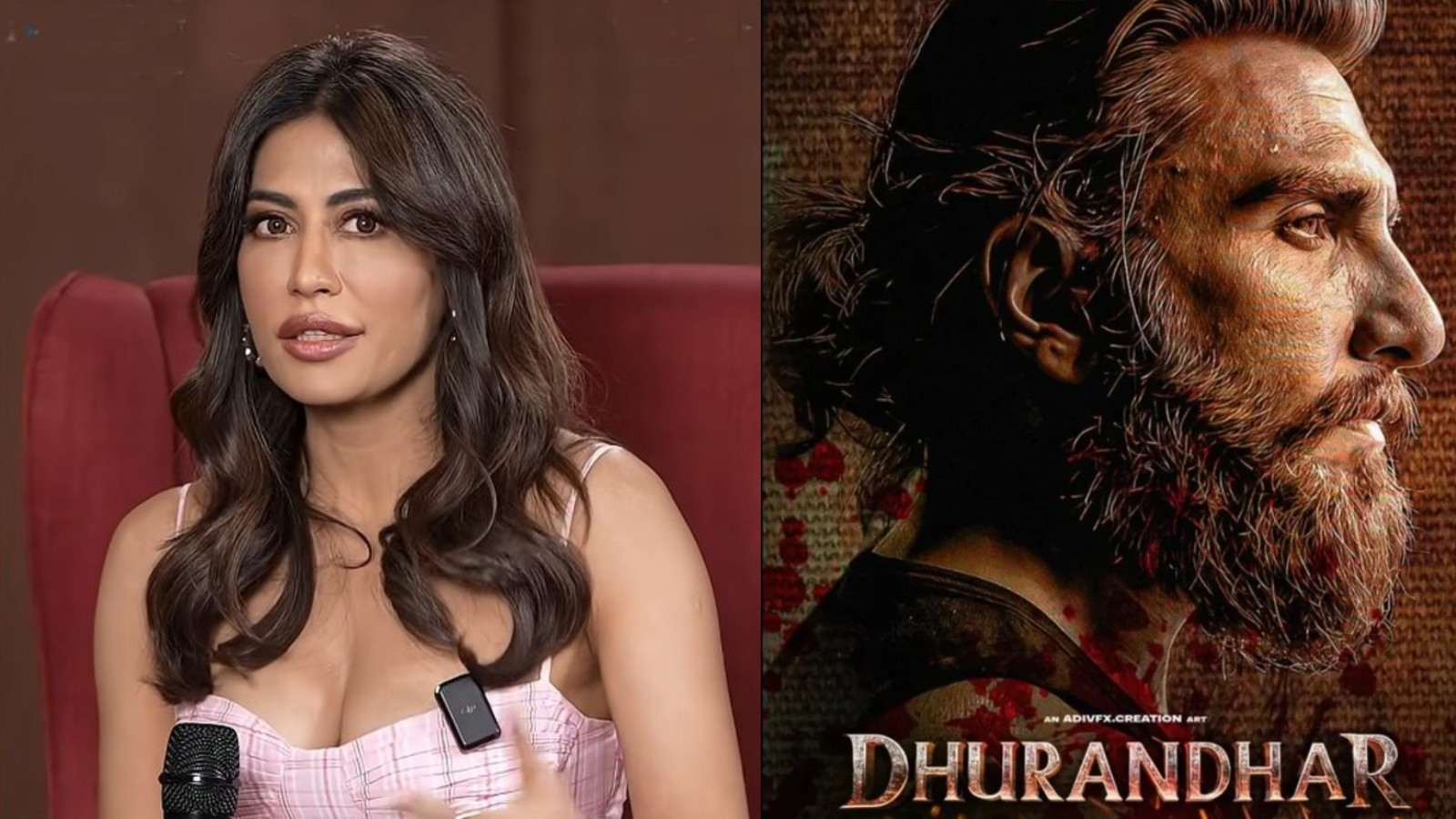
The statement highlights how action-heavy films are often perceived as male-dominated spaces. Traditionally, Indian cinema has positioned men as the central figures in stories of combat, heroism, and physical endurance. Singh’s remarks reflect this cultural backdrop, where female characters are frequently written into supportive or emotional roles rather than being placed at the forefront of high-intensity narratives.
At the same time, her comments raise questions about whether these limitations are truly biological or more socially constructed. In recent years, films such as Raazi, Mardaani, and Chakda ’Xpress have challenged stereotypes by showcasing women in strong, commanding roles. While these films may not mirror the hyper-masculine action template, they demonstrate that audiences are open to diverse portrayals of strength and leadership.
The reactions to Singh’s statement have been mixed. Some agree with her perspective, seeing it as a reflection of current industry realities, while others criticize it as reinforcing outdated norms. Regardless of interpretation, her words underscore the ongoing struggle for gender parity in cinema and invite a broader discussion about how storytelling can evolve to break barriers rather than reinforce them.