
The Delhi High Court on Thursday, August 13, raised an important legal question about whether the reputation associated with a prominent family surname can extend from one generation to another while hearing a lawsuit involving Aaradhya Bachchan, daughter of actors Abhishek Bachchan and Aishwarya Rai Bachchan.
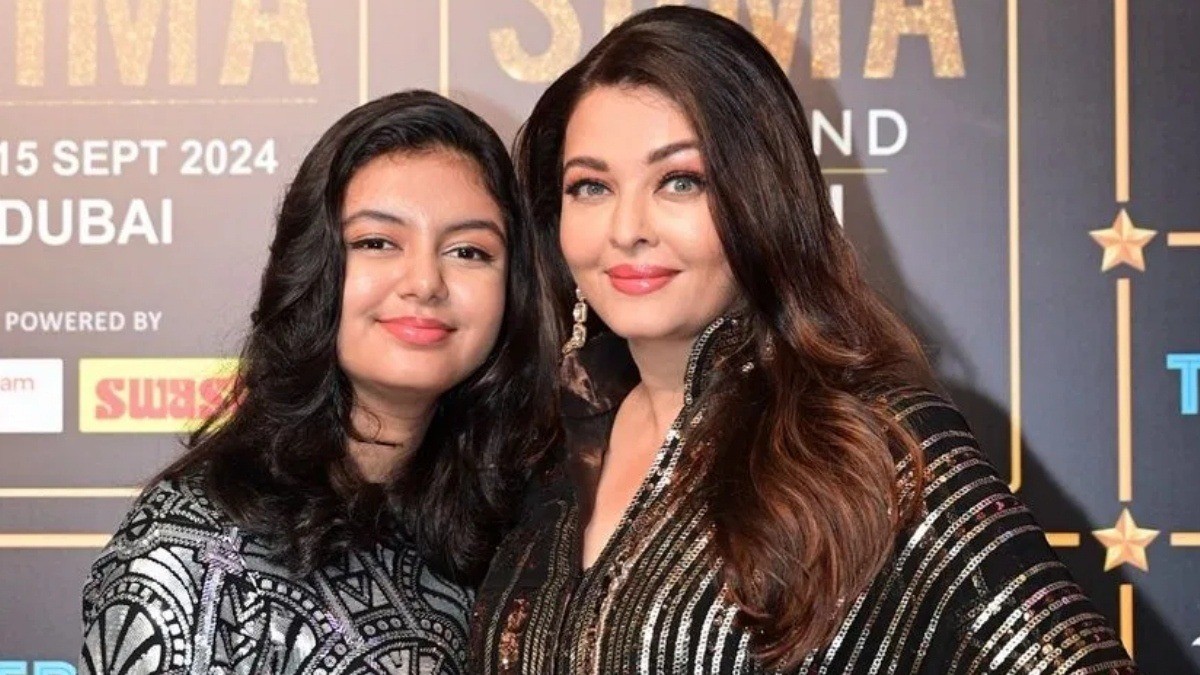
Justice Anup J. Bhambhani considered whether the goodwill and reputation attached to a family name could be viewed in a manner similar to the value associated with a trademark. The observation came during proceedings in a case filed by Aaradhya and her father over allegedly misleading social media content concerning the minor's health and private life.
The court noted that trademark reputation is generally connected with a particular product or service. However, the judge pointed out that the present matter was different because it involved an individual and a family surname rather than a commercial product.
The court questioned whether the reputation earned by a family through its achievements and public standing could be considered a trademark-like asset and, if so, how far that reputation could extend across generations.
Another important issue raised during the hearing was whether the publication of false or fabricated news, even when it is described as extremely objectionable, could constitute a violation of intellectual property rights.
Counsel appearing for the plaintiffs argued that as long as goodwill continues to exist, attempts to deliberately damage that goodwill through false information should be prevented. The lawyer submitted that while goodwill can diminish with time, the Bachchan family's name and images were allegedly being used to spread misleading content.
The case originates from a lawsuit filed in 2023 by Aaradhya Bachchan and Abhishek Bachchan, after several YouTube videos allegedly circulated false claims concerning Aaradhya's health and personal life.
The Delhi High Court had previously intervened in the matter. On April 20, 2023, a single-judge bench restrained several YouTube channels from publishing misleading material about Aaradhya's health. The court had strongly criticised the circulation of misinformation involving a child and observed that every child is entitled to dignity, honour and respect.
The earlier order described the dissemination of misleading information about a child's health as legally unacceptable and questioned the role of platforms in allowing such material to spread.
The latest hearing, however, introduces a broader legal question involving celebrity identity, family goodwill, reputation and intellectual property rights. The court's observations could potentially have implications beyond the Bachchan family if Indian courts are called upon to consider whether a well-known surname itself can acquire legally protectable goodwill across generations.
The proceedings are continuing, and the court is yet to determine the broader legal questions raised during the hearing. The case therefore remains significant not only for Aaradhya Bachchan's privacy but also for the evolving legal debate surrounding online misinformation and the protection of public figures and their families.