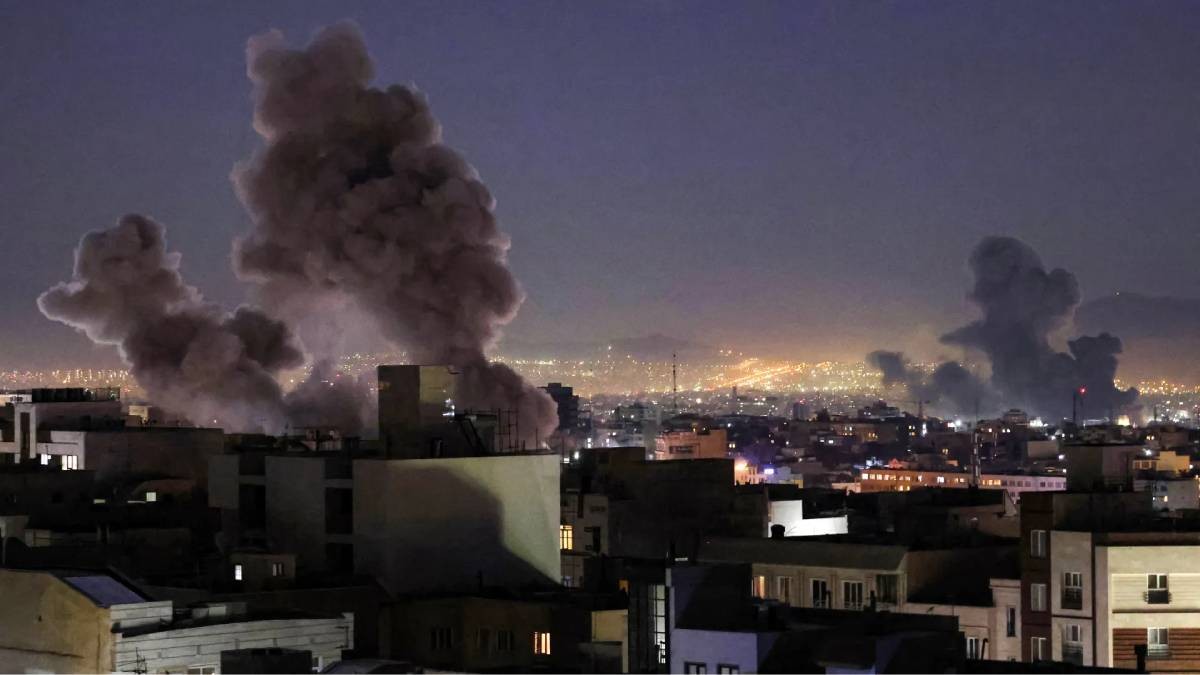
Filmmaker Vivek Agnihotri has announced his next ambitious project—a feature film inspired by Operation Sindoor, the joint Army-Navy-Air Force strikes carried out between May 6 and 10, 2025. The operation, detailed in Lt Gen KJS “Tiny” Dhillon’s book, was India’s swift and coordinated response to the April 22 Pahalgam terror attack that claimed the lives of 26 civilians. Agnihotri, known for tackling politically charged and emotionally intense subjects, is teaming up with producer Bhushan Kumar to bring this story of courage, sacrifice, and strategic clarity to the big screen.
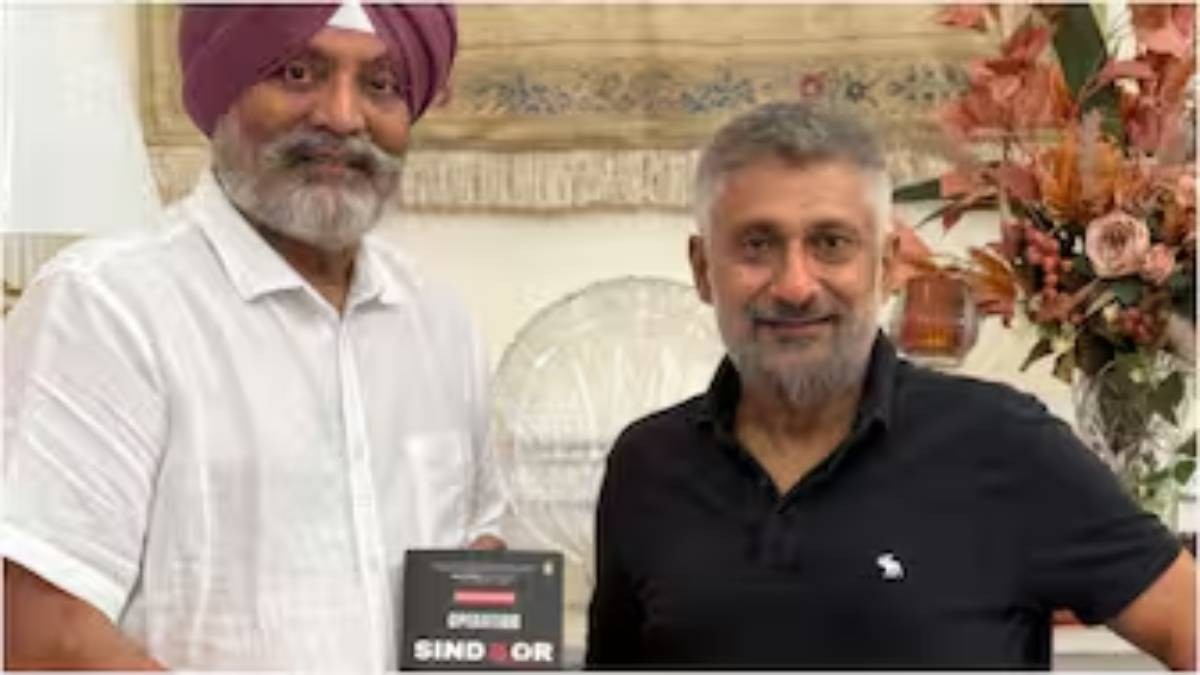
According to Agnihotri, the film will not shy away from uncomfortable truths. He emphasized that the narrative is drawn directly from armed forces accounts, aiming to highlight the precision and bravery of India’s military during those tense days. “This is not just a war story—it’s a story of resilience, of a nation standing tall against terror,” he remarked while announcing the project. The director believes that cinema has the power to preserve such moments of history, ensuring they are remembered not only as military victories but also as human stories of loss and valor.
The announcement has sparked lively debate among audiences. While many fans, recalling Agnihotri’s success with The Kashmir Files, expressed excitement about his handling of another sensitive subject, others on social media suggested that Aditya Dhar—celebrated for Uri: The Surgical Strike—might have been a more fitting choice to capture the raw heroism of the armed forces. This divergence of opinion reflects Agnihotri’s mixed track record, where his bold storytelling often polarizes viewers but undeniably provokes discussion.
Beyond the debate, the film promises to be a significant cultural moment. Operation Sindoor was not only a military maneuver but also a symbol of India’s resolve in the face of escalating cross-border terrorism. By adapting Dhillon’s account, Agnihotri and Kumar are attempting to bridge the gap between military documentation and cinematic storytelling, offering audiences a chance to engage with history in a visceral, emotional way. If executed with sensitivity and depth, the film could stand as both a tribute to the armed forces and a reminder of the costs of conflict.