A Politician in the Crosshairs of Cinema
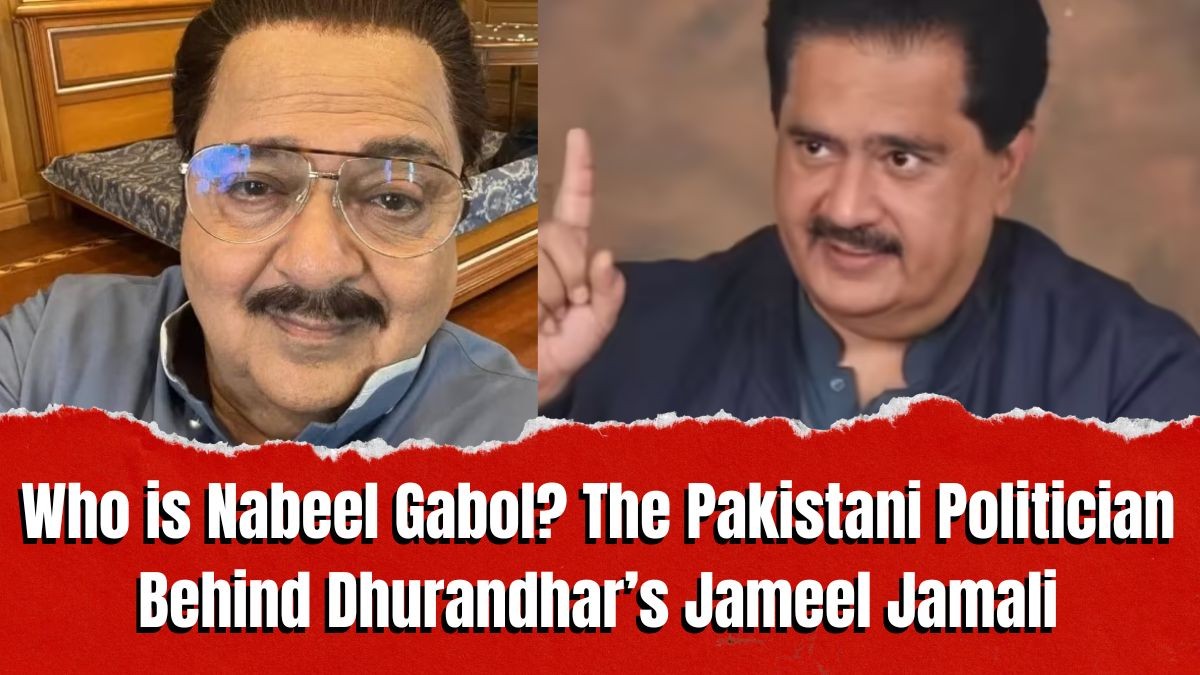
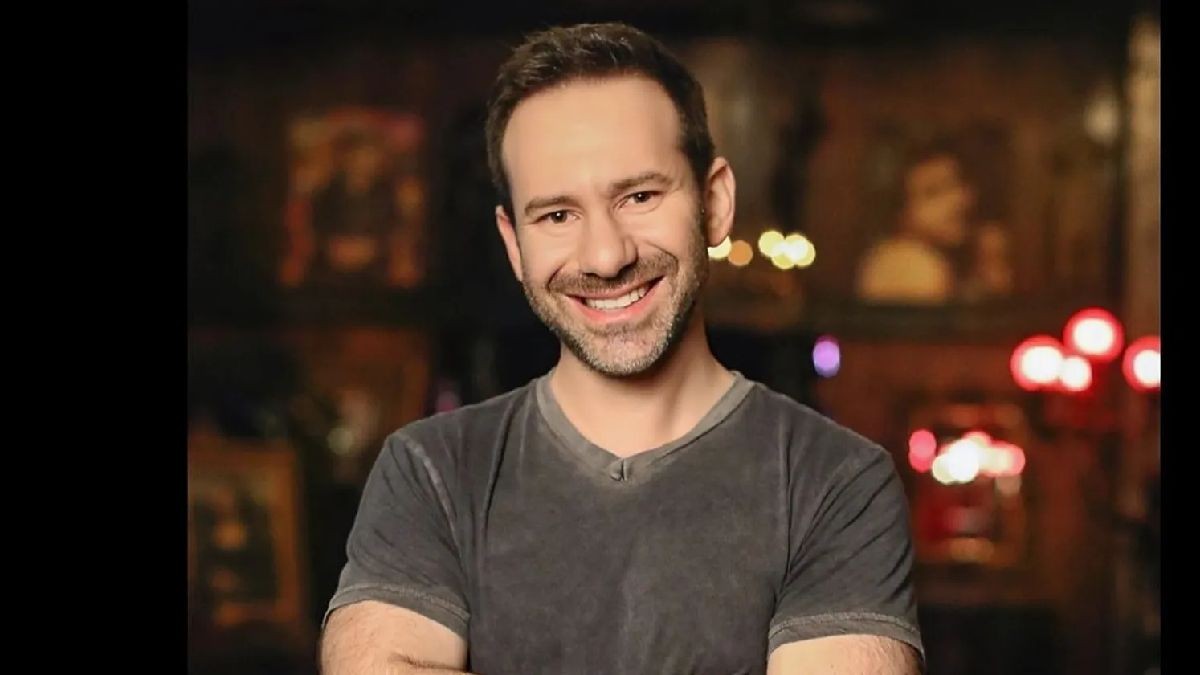
Nabeel Ahmed Khan Gabol, born on November 16, 1962, in Lyari, Karachi, hails from a prominent political family. His grandfather Allah Bakhsh Gabol and uncle Abdul Sattar Gabol were influential figures in Sindh politics. Gabol himself entered politics in the late 1980s, representing Lyari in the Sindh Assembly before moving to the national stage. Over the years, he served as Deputy Speaker of the Sindh Assembly (1993–1996) and later as Minister of State for Ports and Shipping (2008–2011) under Prime Minister Yusuf Raza Gillani. His career has spanned decades, marked by affiliations with the Pakistan Peoples Party (PPP) and later the Muttahida Qaumi Movement (MQM).
The Dhurandhar Connection
The controversy began when Aditya Dhar’s blockbuster Dhurandhar 2 introduced the character Jameel Jamali, played by Rakesh Bedi. The character, depicted as an Indian spy operating in Pakistan, bore striking similarities to Gabol. Initially, Gabol seemed amused by the resemblance, but as the film’s popularity soared, he expressed discomfort. In viral videos, he admitted the character was inspired by him but criticized the portrayal, claiming it misrepresented his persona and political career.
Politics Meets Pop Culture
The uproar highlights how cinema can blur the lines between reel and real life. For Gabol, a seasoned politician with decades of service, being linked to a fictional spy character has sparked memes, online trolling, and diplomatic chatter. While Dhar’s film has been celebrated in India for its bold storytelling, in Pakistan it has stirred unease, with Gabol’s supporters rallying to defend his reputation. The incident underscores the growing influence of cinema in shaping public perception, even across national borders.
Gabol’s Political Legacy
Despite the controversy, Gabol’s political career remains significant. He has represented Karachi constituencies multiple times in the National Assembly of Pakistan (2002–2015, 2024–present) and is currently affiliated with MQM-P. Known for his outspoken nature and strong ties to Lyari, Gabol has navigated Pakistan’s turbulent political landscape for over three decades. His career reflects both resilience and adaptability, shifting party lines while maintaining relevance in Karachi’s complex political scene.
The Dhurandhar 2 episode is more than just a cinematic controversy—it is a case study in how popular culture intersects with politics. For India, the film’s success reinforces Dhar’s reputation as a fearless storyteller. For Pakistan, it raises questions about how politicians are portrayed in foreign media and the impact on their public image. For Gabol, the challenge lies in reclaiming his narrative while navigating the storm of memes and speculation.
Conclusion: Nabeel Gabol’s unexpected entanglement with Dhurandhar 2 illustrates the unpredictable power of cinema. A politician with a long career in Pakistan’s assemblies now finds his name trending because of a fictional spy. Whether this episode fades or reshapes his public image, it has already cemented his place in the unusual intersection of politics and film.