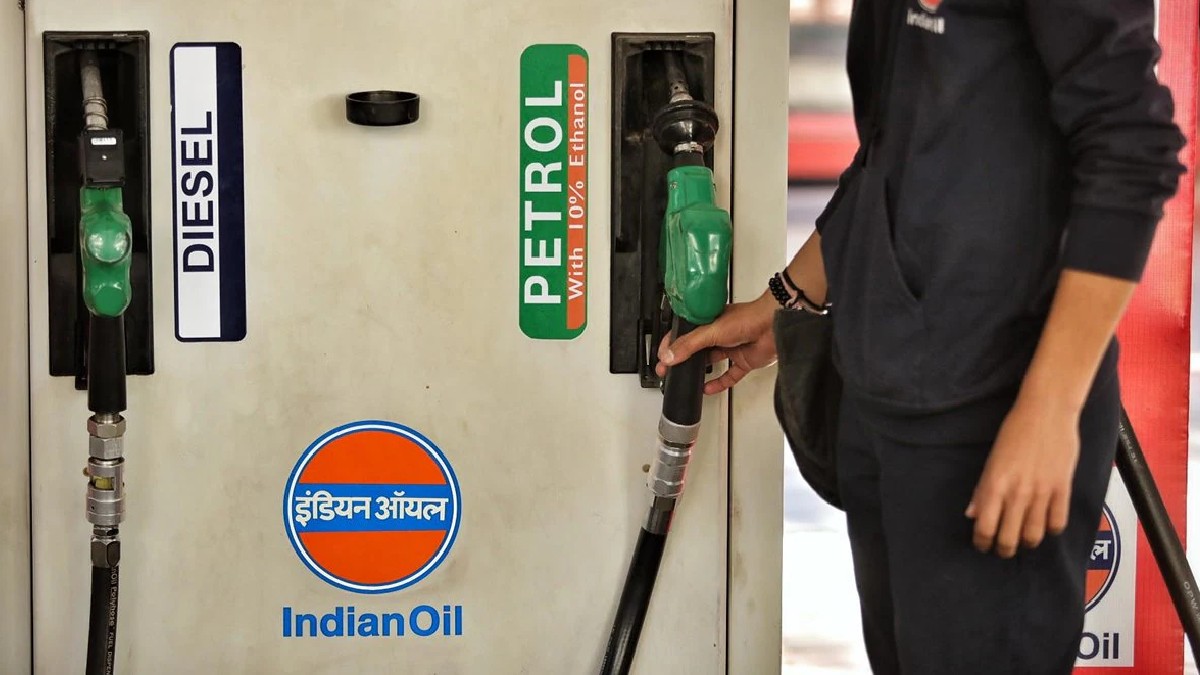
India has sharply raised export duties on diesel and aviation turbine fuel (ATF), doubling the levy on diesel to ₹55.5 per litre and hiking ATF duty to ₹42 per litre. The move, effective immediately, comes amid volatile global oil prices and geopolitical tensions in West Asia. Petrol export duty remains unchanged at zero.
Background of the Decision
The Ministry of Finance announced the hike on April 11, 2026, citing the need to ensure domestic fuel availability and prevent exporters from exploiting international price differentials. Just two weeks earlier, on March 26, the government had imposed lower duties of ₹21.5 per litre on diesel and ₹29.5 per litre on ATF. The sharp increase reflects the government’s urgency in stabilizing domestic markets as crude oil prices surged due to escalating conflict in West Asia.
Impact on Domestic and Global Markets
Domestic Supply: The higher export duties are expected to discourage excessive overseas sales, thereby ensuring more fuel remains available for Indian consumers and industries.
Airlines: Jet fuel accounts for nearly 40% of airline operating costs. The hike in ATF duty, combined with a government cap on monthly price increases, aims to balance affordability for airlines while curbing volatility.
Global Trade: Exporters may face reduced margins, potentially lowering India’s competitiveness in international fuel markets. However, the government’s priority remains shielding domestic consumers from supply shocks.
Broader Economic Context
The decision aligns with India’s broader energy management strategy, which includes recent excise duty cuts on petrol and diesel to ease consumer burdens. By raising export duties while reducing domestic excise, the government is attempting a delicate balancing act: protecting households and industries from inflationary pressures while maintaining fiscal discipline. Analysts note that such measures could stabilize short-term supply but may also discourage refiners from aggressive export strategies, impacting India’s trade balance.
Outlook
With oil markets expected to remain volatile, further adjustments to duties cannot be ruled out. Policymakers are likely to continue monitoring global crude prices and domestic demand closely. For now, the sharp hike in diesel and ATF export duties underscores India’s determination to prioritize energy security and consumer protection over export competitiveness.
Would you like me to also prepare a structured comparison table showing how India’s current export duties stack up against other major fuel-exporting nations? That could highlight whether India’s rates are globally competitive or unusually high.