
The much‑talked‑about Freedom 251 phone, once hailed as the world’s cheapest smartphone, has resurfaced in headlines after a consumer finally received the device following a prolonged legal battle. The case against Ringing Bells, the company behind the controversial launch, stretched over several years, but justice has now been delivered. Alongside the phone, the consumer was awarded ₹20,000 towards legal expenses and interest, marking the end of a saga that began in 2010.
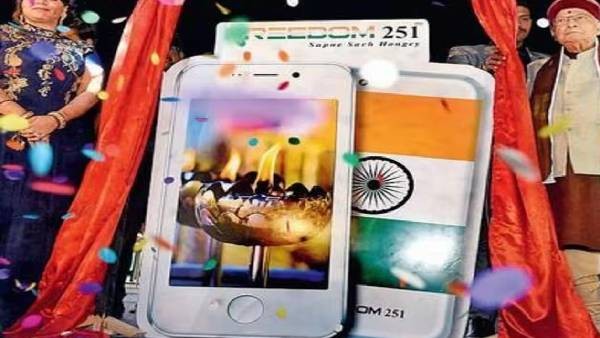
The Freedom 251 was announced in 2016 at an unbelievable price of ₹251, promising to revolutionize India’s smartphone market. However, the company quickly faced allegations of fraud, mismanagement, and failure to deliver. Thousands of customers who booked the phone never received it, leading to widespread outrage and legal disputes. The case became symbolic of consumer rights in India, highlighting the need for accountability in ambitious tech ventures.
For the individual who pursued the matter legally, the victory is both personal and historic. After years of hearings, delays, and challenges, the court finally ruled in favor of the consumer, ensuring that Ringing Bells delivered the promised product and compensated for the financial and emotional strain caused by the prolonged battle. Receiving the Freedom 251 phone today, along with ₹20,000 in expenses and interest, represents closure after years of uncertainty.
The incident underscores the importance of consumer protection laws in India. While the Freedom 251 was marketed as a revolutionary product, its failure to meet commitments left many buyers disillusioned. This case demonstrates that persistence and legal recourse can yield results, even against companies that initially appear untouchable. It also serves as a reminder to businesses that misleading promotions and unfulfilled promises can have long‑lasting consequences.
Public reaction to the news has been mixed. Some view the delivery of the phone as symbolic, given that technology has advanced far beyond the specifications of the Freedom 251. Others see the compensation as the true victory, acknowledging the consumer’s determination to fight for justice. The case has reignited discussions about transparency in India’s startup ecosystem and the need for stricter regulations to protect buyers.
In conclusion, the Freedom 251 legal battle highlights both the risks of unchecked promises and the power of consumer rights. While the phone itself may no longer hold technological relevance, the victory represents accountability and justice. For the consumer, receiving the device and compensation is not just about a product—it is about proving that persistence can triumph over broken promises.