Delhi CM Calls Emergency Meet Over H1N1 Spread As Cases Rise; Health Minister Says Situation 'Under Control'
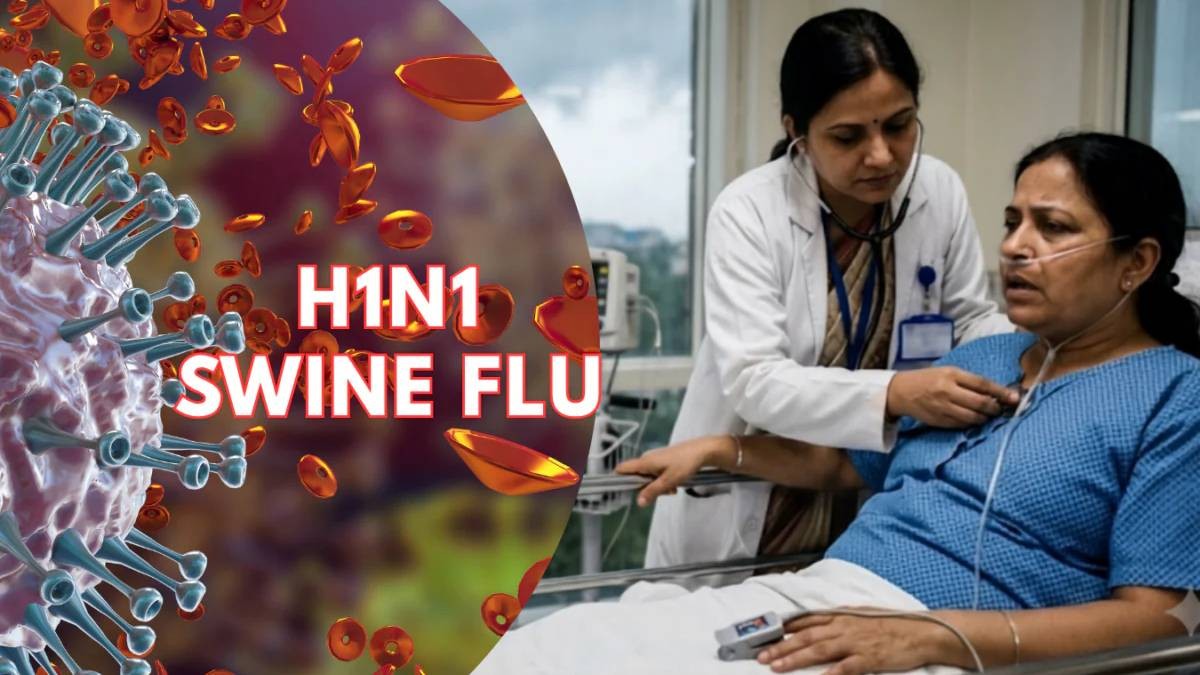
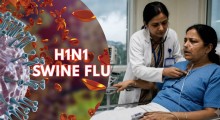
Delhi Chief Minister Rekha Gupta has called an emergency review meeting amid a rise in H1N1 influenza cases in the national capital. The development comes as Delhi's health authorities step up surveillance and hospital preparedness following a significant increase in seasonal flu infections.
Delhi Health Minister Pankaj Singh said on Tuesday that the situation was “under control”, assuring that the city has adequate doctors, medicines and hospital facilities to manage patients. He also said isolation wards for H1N1 patients have been established across hospitals in Delhi.
H1N1 Cases Rise In Delhi
According to the latest figures cited by health authorities, Delhi has recorded around 3,000 influenza cases this year, including 2,308 H1N1 infections, although some reports have cited different cut-off dates and totals. Earlier official data had put the H1N1 tally at 1,777 as of August 20.
The increase has prompted authorities to closely monitor the spread of influenza and assess the preparedness of government hospitals. Officials are particularly focused on identifying severe cases early and ensuring that patients requiring hospitalisation receive timely treatment.
Emergency Review Meeting
The emergency meeting chaired by Chief Minister Rekha Gupta brought together senior officials from the Health Department, Municipal Corporation of Delhi, New Delhi Municipal Council and Delhi Cantonment Board.
Health Minister Pankaj Singh said the government has adequate medical staff and medicines available. He also warned that hospitals could face action if patients are denied beds despite availability.
The Delhi government has already issued directions to hospitals and health officials regarding screening, reporting and monitoring of influenza-like illness and severe respiratory infections. Healthcare workers have also been sensitised about symptoms, treatment protocols and follow-up procedures.
Experts Advise Caution
Medical experts have urged residents not to panic but to remain cautious, particularly during the ongoing monsoon season. Children, elderly people and individuals with underlying health conditions can face a higher risk of complications from influenza. Doctors have advised people experiencing flu-like symptoms to avoid crowded places and seek medical advice when symptoms persist or worsen.
Common symptoms of H1N1 include fever, cough, sore throat, body aches, fatigue and other flu-like symptoms. Authorities have also advised residents to maintain respiratory hygiene, wash their hands regularly and consider masks in crowded settings.
No New H1N1 Strain Detected
The rise in cases has also raised questions about whether a new strain of the virus is circulating. However, the Indian Council of Medical Research has said that no new H1N1 strain has been detected in India and described the current rise as part of seasonal influenza activity.
With surveillance and hospital preparedness being strengthened, Delhi authorities are continuing to monitor the situation closely. The government's message remains that while the increase in cases requires vigilance, the health infrastructure is prepared to handle the current H1N1 situation.