Indian Railways has announced an ambitious plan to manufacture 260 Vande Bharat Sleeper trains, marking a significant leap in the modernisation of the country’s rail network. These trains are designed to combine speed, comfort, and efficiency, offering passengers a world-class travel experience on overnight journeys. The move reflects India’s growing focus on building infrastructure that matches global standards while catering to the needs of millions who rely on trains as their primary mode of long-distance travel.
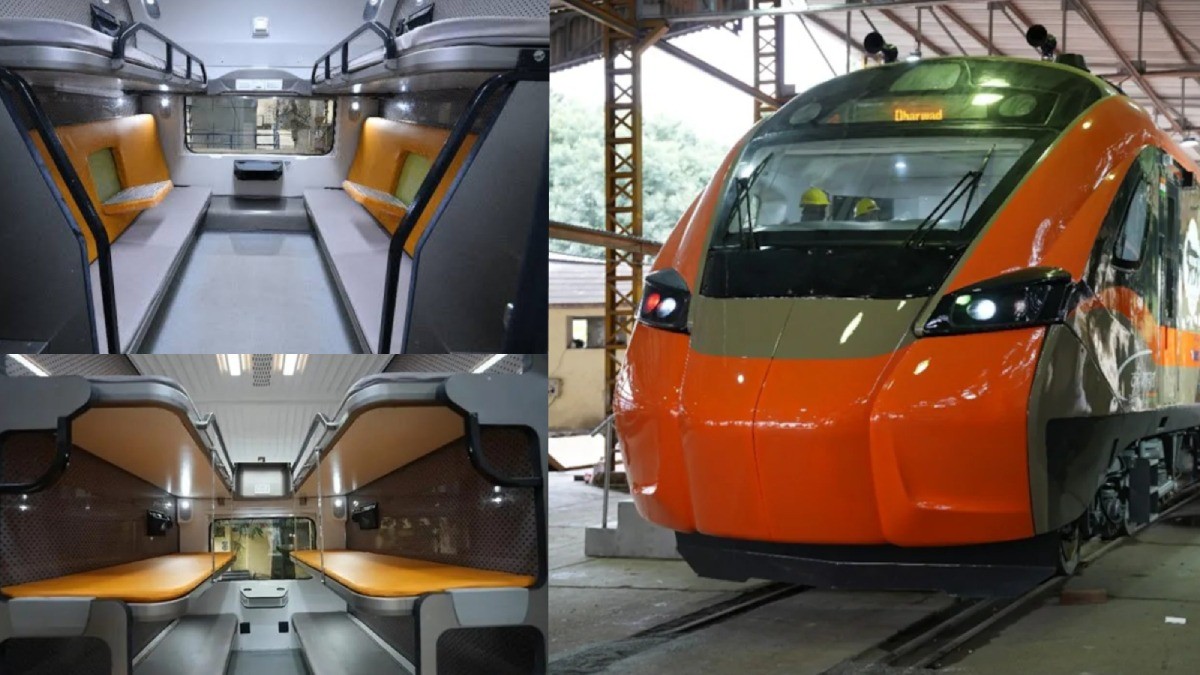
For decades, overnight train journeys have been an integral part of Indian life—families travelling to weddings, students heading to universities, and professionals commuting for work. The introduction of Vande Bharat Sleeper trains promises to transform these experiences. With modern interiors, improved safety features, and enhanced passenger amenities, the trains aim to make long journeys not just bearable but enjoyable. Imagine boarding a train at night and waking up refreshed in another city, with the comfort of a well-designed sleeper coach that feels closer to an aeroplane cabin than a traditional train.
The scale of this project—260 trains—is not just about numbers; it’s about accessibility. By expanding the fleet, Indian Railways ensures that more regions and routes benefit from this upgrade. This initiative also carries a strong economic message: boosting domestic manufacturing, creating jobs, and showcasing India’s engineering capabilities. The trains will be built with advanced technology, but the heart of the project lies in making travel more humane, more dignified, and more aligned with the aspirations of a rapidly modernising nation.
Ultimately, the Vande Bharat Sleeper trains symbolise more than just faster travel. They represent a bridge between tradition and progress, between the nostalgia of train journeys and the promise of modern comfort. For passengers, it means fewer compromises—no longer choosing between affordability and convenience. For the country, it’s a step toward redefining public transport as something aspirational, not just functional. As these trains roll out in the coming years, they will carry not just people, but the story of India’s journey toward a future where innovation meets everyday life.