
Some sugar consignments could reach Indian ports before October 15 following the Centre’s decision to allow duty-free sugar imports, according to National Federation of Cooperative Sugar Factories (NFCSF) President Prakash Naiknavare. However, the exact volume that may arrive before the deadline remains difficult to estimate at this stage.
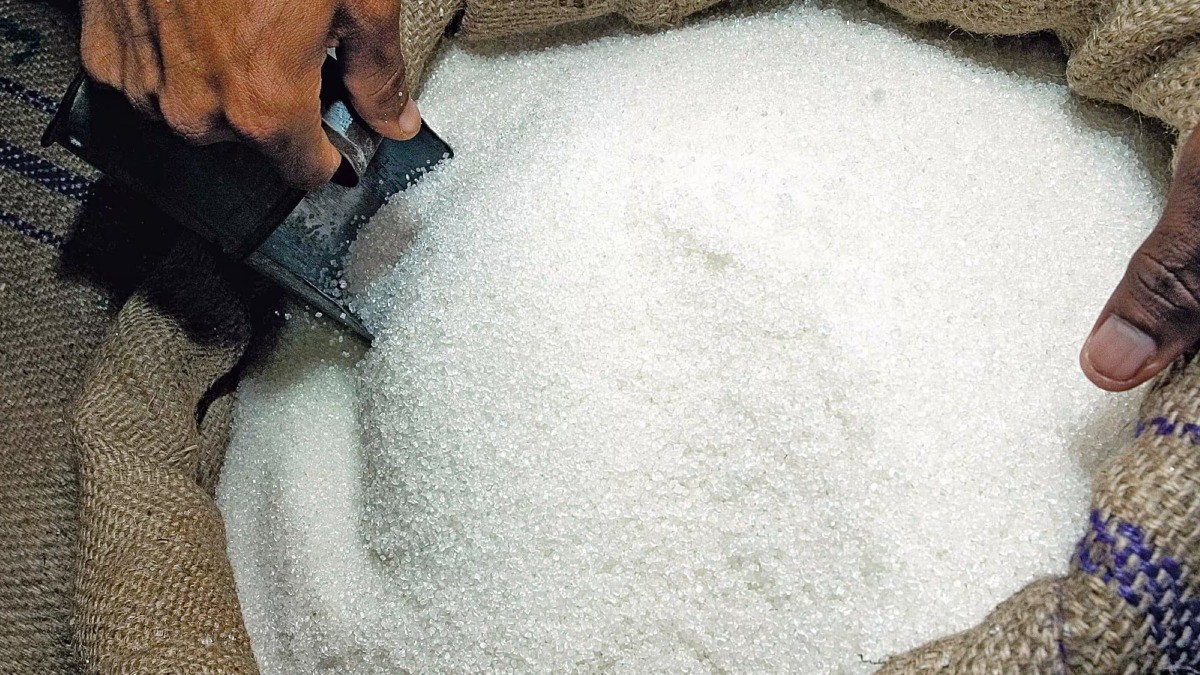
The government’s move comes amid a sharp rise in domestic sugar prices and concerns over availability. India has planned to import 10 lakh tonnes of sugar without customs duty, a decision aimed at improving domestic supplies and helping moderate prices. Naiknavare said the additional imports could help cushion the impact of tight domestic availability.
Brazil Likely to Be Key Import Source
Brazil is currently considered the most realistic source for India's sugar imports. Thailand, another traditional supplier to India, is facing its own supply shortage and is therefore unlikely to contribute significantly to the current import requirement.
However, logistics could make it challenging for large quantities to arrive quickly. Sugar shipments from Brazil typically take around 40 to 45 days to reach Indian ports. After arrival, additional time is required for the cargo to move from ports to sugar mills.
Naiknavare said some consignments could still reach India by October 15, but the final quantity will depend on several factors, including regulatory approvals, import allocations, letters of credit, shipment schedules and congestion at Brazilian ports.
Sugar Prices Under Watch
The import decision has already had an impact on global sugar market sentiment. Raw sugar prices briefly touched 18 cents per pound before easing to around 17.50 cents per pound. The price was also below the level recorded before the Indian import announcement.
According to Naiknavare, comfortable global supplies could help limit the impact of India's additional demand on international prices. He also noted that the eventual landed cost of imported sugar will depend on global prices, freight, port clearance and inland transportation expenses.
Since the imported sugar will attract no customs duty, the policy could make overseas supplies more competitive for Indian buyers. However, the effect on retail prices will depend on how quickly shipments arrive and how domestic market conditions evolve.
What It Means for Indian Consumers
The government's duty-free import decision is intended to improve sugar availability and address price pressures in the domestic market. If shipments begin arriving before the October 15 target, additional supplies could gradually ease pressure on prices.
However, consumers may not see an immediate reduction because imported sugar has to pass through the shipping, port clearance, transportation and distribution chain before reaching the retail market.
The coming weeks will therefore be important for India's sugar market. Import execution, global sugar prices and domestic availability will determine how effectively the government's move translates into more stable prices for consumers.