
Tata Consultancy Services (TCS) has reportedly deployed a Digital User Experience Monitoring (DEX) tool on some company-issued laptops, triggering questions among employees and technology observers about workplace privacy and digital surveillance. The tool is reportedly capable of providing information such as which applications are being accessed and how much time is being spent on them.
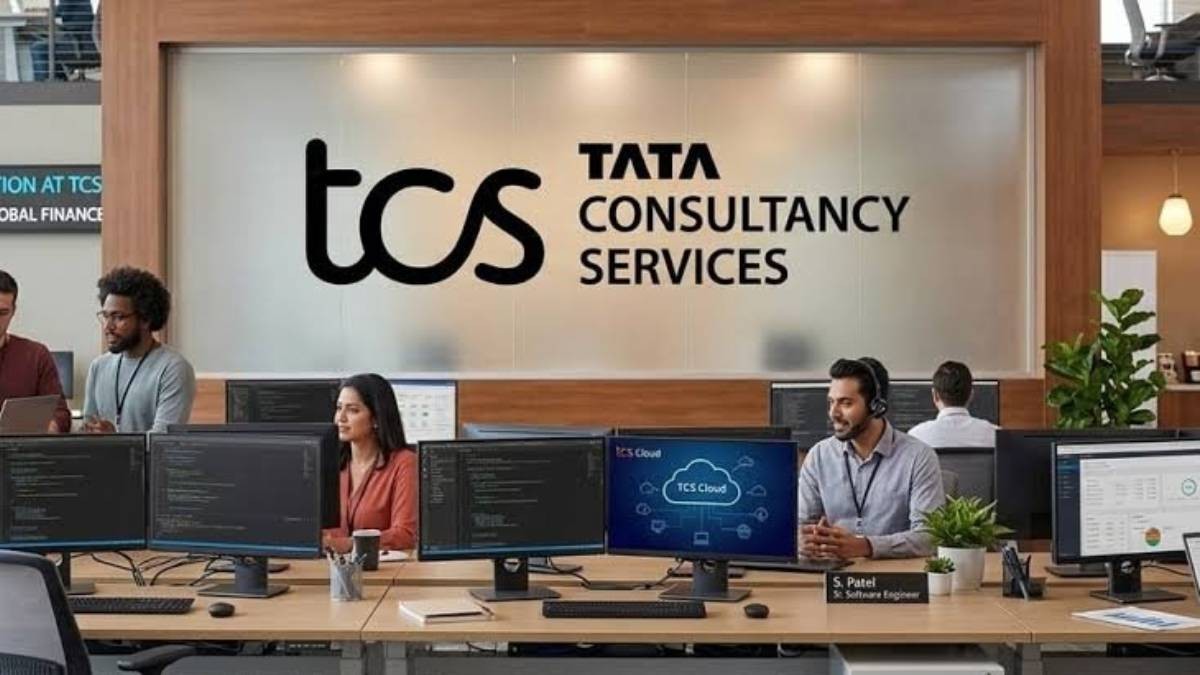
The development has attracted attention because of the scale of TCS's workforce and the amount of information that could potentially be generated when digital activity is monitored across employee devices. Reports indicate that the technology is installed on company-issued laptops, rather than personal computers.
What Does the DEX Tool Track?
According to reports, the monitoring system can provide visibility into applications accessed on company laptops and the time spent on those applications. It can also help IT teams understand device and application performance, identify technical problems and analyse the overall digital experience of users.
Digital Experience Monitoring tools are generally designed to help organisations identify problems such as application failures, slow systems, connectivity issues and device-performance concerns. TCS itself has described its digital-workspace offerings as using end-to-end IT analytics and real-time insights to understand end-user environments and improve workplace experiences.
Security or Employee Surveillance?
The reported deployment has raised a debate over whether such technology is primarily intended for cybersecurity and IT management or whether it could also provide organisations with greater visibility into employee activity.
Reports say TCS has not publicly clarified the specific name or vendor of the tool, the complete range of information collected, or exactly which teams can access the data. The extent to which individual employees can be monitored through the system has also not been independently established.
TCS has strong stated commitments around data protection and security. Its privacy policy says the company maintains technical and organisational safeguards for personal data and limits access to people who have a legitimate business need to know.
The company also says protecting business-sensitive information and customer data is central to its security approach.
Why Employees Are Concerned
The controversy largely revolves around transparency. Employees may be more comfortable with monitoring when they clearly understand what information is collected, why it is collected, how long it is retained and who can see it.
It is also important not to assume that application-usage data automatically means employees are being evaluated for productivity. Reports have not established that the TCS tool is being used specifically for performance assessments.
For now, the reported monitoring concerns company-issued laptops, and there is no indication from the available reporting that the same system has been installed on employees' personal devices. The debate is likely to continue as companies increasingly balance cybersecurity, IT performance and employee privacy in hybrid and digital workplaces.