Managed farmland is emerging as an attractive concept for people who want to own agricultural land without handling the day-to-day responsibilities of farming. Unlike traditional farmland ownership, where the landowner is generally responsible for cultivation, irrigation, labour and maintenance, managed farmland projects offer professional teams to take care of agricultural operations on behalf of the owners.
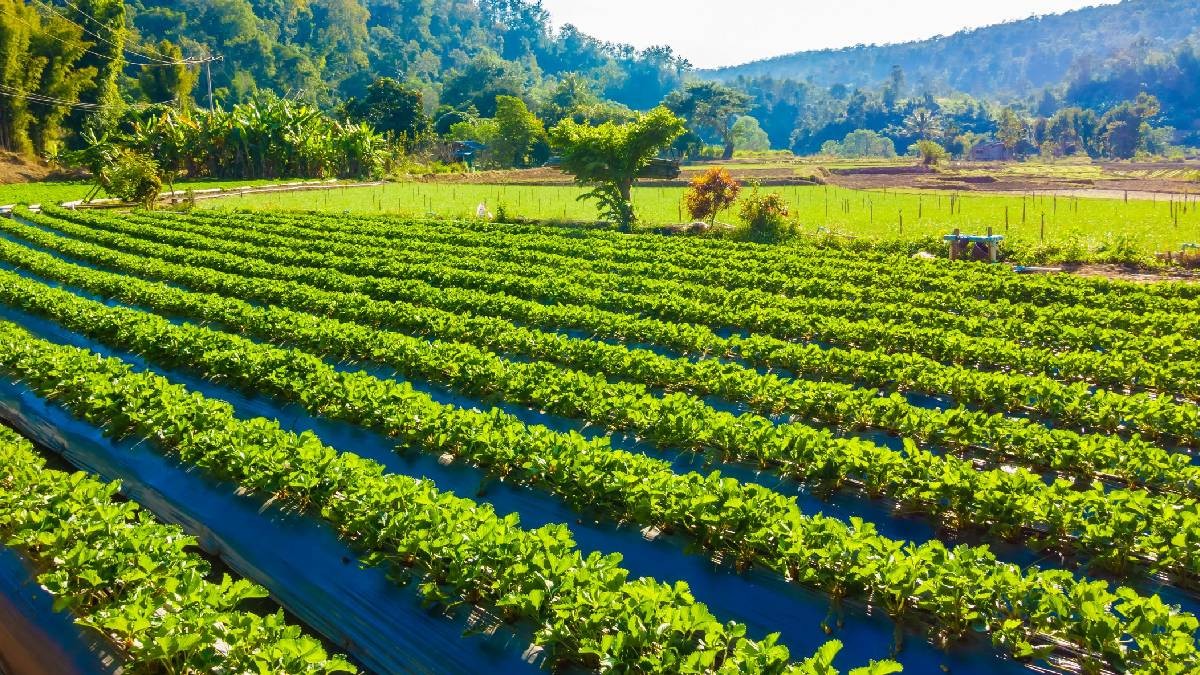
The concept has gained attention among urban professionals, entrepreneurs and families looking for a second home, weekend retreat or long-term land asset. With growing cities and increasing demand for nature-oriented lifestyles, farmland located away from crowded urban centres can offer an opportunity to combine land ownership with a peaceful rural environment.
What Is Managed Farmland?
Managed farmland typically refers to agricultural land that is professionally maintained by an estate management company. After purchasing a plot or share of an eligible property, the owner may have access to agricultural services such as plantation development, irrigation, landscaping, security and routine maintenance.
Depending on the project, crops can include coffee, mangoes, coconut, timber, spices, fruits or other commercially cultivated plants. The exact farming model, ownership structure and income-sharing arrangement differ from one project to another.
Why Are People Choosing Managed Farmland?
One of the biggest attractions is convenience. Traditional farmland ownership requires considerable involvement, especially for people living in cities. Finding agricultural workers, arranging irrigation, maintaining plantations and protecting the property can be difficult when the owner lives far away.
Managed farmland addresses this challenge by placing these responsibilities with a professional management team. This allows owners to enjoy the property while agricultural operations continue under an organised system.
Another attraction is the lifestyle aspect. Many managed farmland projects are located in scenic regions surrounded by hills, forests, plantations and water bodies. Such locations can provide an alternative to conventional urban properties for weekend visits and family holidays.
Potential Benefits
Managed farmland can offer several potential benefits, including agricultural activity, recreational use and long-term land ownership. Some projects may also provide hospitality or rental opportunities through cottages, resorts or farm stays.
However, returns are not guaranteed. Land appreciation, agricultural income and rental earnings depend on market conditions, crop performance, location, infrastructure and the specific contractual arrangement.
What Should Buyers Check?
Anyone considering managed farmland should conduct thorough due diligence before purchasing. Buyers should verify the property's title, survey records, land classification, conversion status where applicable, access roads, water availability and local approvals.
It is equally important to understand the agreement between the landowner and the management company. Buyers should carefully examine maintenance charges, management fees, crop-sharing arrangements, exit clauses, resale conditions and any promised amenities.
Promises of guaranteed returns should be approached cautiously. Prospective buyers should distinguish between projected returns and legally or contractually guaranteed income.
A Growing Lifestyle Concept
Managed farmland represents a combination of agriculture, land ownership and nature-based living. For people who want to escape the city while maintaining professional management of their agricultural property, it can be an interesting option.
The concept is particularly relevant in regions surrounding major cities, where demand for weekend retreats and nature-focused lifestyles continues to grow. However, managed farmland should be evaluated as a real-estate and agricultural proposition rather than simply as an investment promising high returns.
With careful research, legal verification and a clear understanding of the management agreement, managed farmland can provide owners with an opportunity to experience rural living while participating in professionally managed agricultural projects.