
TTD Plans to Deploy Robotic Dog to Prevent Human-Animal Conflicts on Tirumala Hills
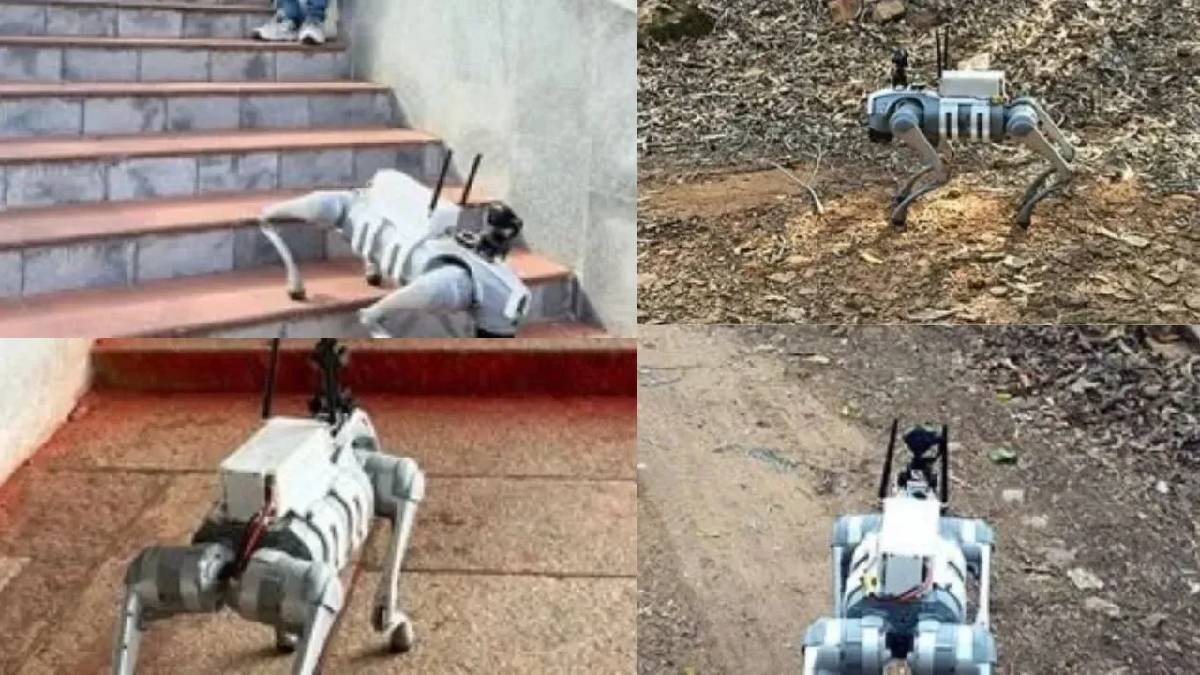
The Tirumala Tirupati Devasthanams (TTD) is exploring the deployment of an advanced AI-powered robotic dog to monitor wildlife movement around the Tirumala hills and improve the safety of devotees. The initiative is aimed at reducing human-animal conflicts, particularly along forest stretches adjoining the Alipiri-Tirumala footpath.
TTD officials recently reviewed the performance of a quadruped robotic dog at the Sri Padmavathi Guest House in Tirumala. The technology is being evaluated for use in difficult and potentially hazardous forest terrain where conventional surveillance and human patrols can be challenging.
AI Robot Equipped With Advanced Sensors
The robotic dog comes with optical and thermal imaging cameras, a 360-degree LiDAR system, multiple sensors and artificial intelligence capabilities. These technologies can help the machine detect and track wildlife even in difficult visibility conditions, including darkness and fog.
Its AI system can distinguish between large animals, humans, vehicles and domestic animals. When wildlife movement is detected, the system can generate geo-tagged alerts and transmit live video and thermal feeds to a control room and patrolling teams. This could allow authorities to respond more quickly when animals are detected near pilgrim routes.
Focus on Leopard Movement
One of the key areas being considered is the forest stretch alongside the Alipiri-Tirumala footpath, which is regularly used by pilgrims climbing the hills. Early detection of leopards and other wild animals could allow officials to alert devotees and deploy forest, vigilance and security personnel before a dangerous encounter occurs.
TTD is also examining whether the robot's sound and light systems can be used to discourage animals from entering areas frequented by pilgrims. The proposed approach is intended to deter wildlife without physically confronting or harming the animals.
Robot Will Complement Existing Surveillance
The robotic dog is not intended to replace existing wildlife-monitoring systems. Instead, TTD plans to use it alongside camera traps, forest surveillance and foot patrols. Its ability to move between locations could make it particularly useful when wildlife activity increases in a specific area.
Data collected through video, thermal imaging and movement tracking could also help authorities understand animal movement patterns. This information may eventually support better patrol scheduling and more effective surveillance in sensitive forest zones.
The move comes amid continued efforts to improve devotee safety on the Tirumala footpaths. TTD and forest officials have previously discussed emergency response teams and dedicated wildlife monitoring measures for the Alipiri route.
The proposed robotic dog represents a technology-driven addition to these measures. If successfully deployed, it could provide TTD and forest officials with real-time information about wildlife activity while helping pilgrims travel through the forested Tirumala hills more safely.