Motorists across India continue to pay premium prices for petrol and diesel despite a noticeable decline in international crude oil prices. In major cities such as Delhi, Mumbai, Kolkata, and Bengaluru, fuel prices have remained largely unchanged, leaving consumers wondering why lower crude oil costs have not translated into cheaper fuel at the pump.
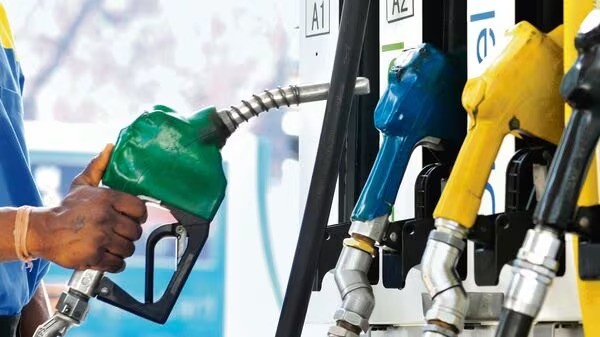
Currently, petrol prices continue to hover around the ₹100–₹115 per litre range in many parts of the country. In Delhi, petrol is priced at around ₹102.12 per litre, while Mumbai records approximately ₹111.21. Kolkata and Bengaluru also continue to witness prices above the ₹110 mark, reflecting the absence of any immediate relief for consumers.
According to Union Petroleum and Natural Gas Minister Hardeep Singh Puri, one of the primary reasons is the time lag between purchasing crude oil and selling refined fuel. The petrol and diesel currently available at retail outlets are produced from crude oil that was imported several weeks or even months ago, when international prices were significantly higher—often exceeding $100 per barrel. As a result, the benefits of the recent decline in crude oil prices are not reflected immediately in retail fuel rates.
Another major factor influencing fuel prices is taxation. A substantial portion of the retail price paid by consumers consists of taxes levied by both the Central and State Governments. The central excise duty remains a significant component, while individual states impose Value Added Tax (VAT), which varies from one state to another. Depending on the location, taxes can account for nearly half of the final price paid at fuel stations.
The issue has sparked comparisons with previous years. Many consumers have pointed out that in 2006, when Brent crude traded at around $65 per barrel, petrol in Delhi was available for roughly ₹41–₹47 per litre. Such comparisons have intensified public debate over the role of taxation and pricing policies in determining current fuel rates.
Critics have also questioned the profitability of public sector oil marketing companies, citing reports that major oil firms collectively earned around ₹19,500 crore in profits during the fourth quarter of FY26. They argue that falling crude prices should provide greater room for reducing retail fuel prices and easing the financial burden on consumers.
However, energy market experts caution that fuel pricing is influenced by multiple factors beyond crude oil alone. Exchange rates, refining costs, transportation expenses, inventory purchased at earlier prices, and tax structures all contribute to the final retail price. Analysts also note that international crude prices need to remain consistently lower for two to three months before meaningful reductions in petrol and diesel prices become commercially viable.
For now, consumers are unlikely to see immediate relief at fuel stations. While the recent decline in global crude oil prices is encouraging, sustained stability in international markets and continued lower import costs will likely be necessary before any significant reduction in petrol and diesel prices reaches Indian motorists