
Biggest El Niño in ‘Over a Century’ Could Drive Global Heat, India Faces Double Crop Risk
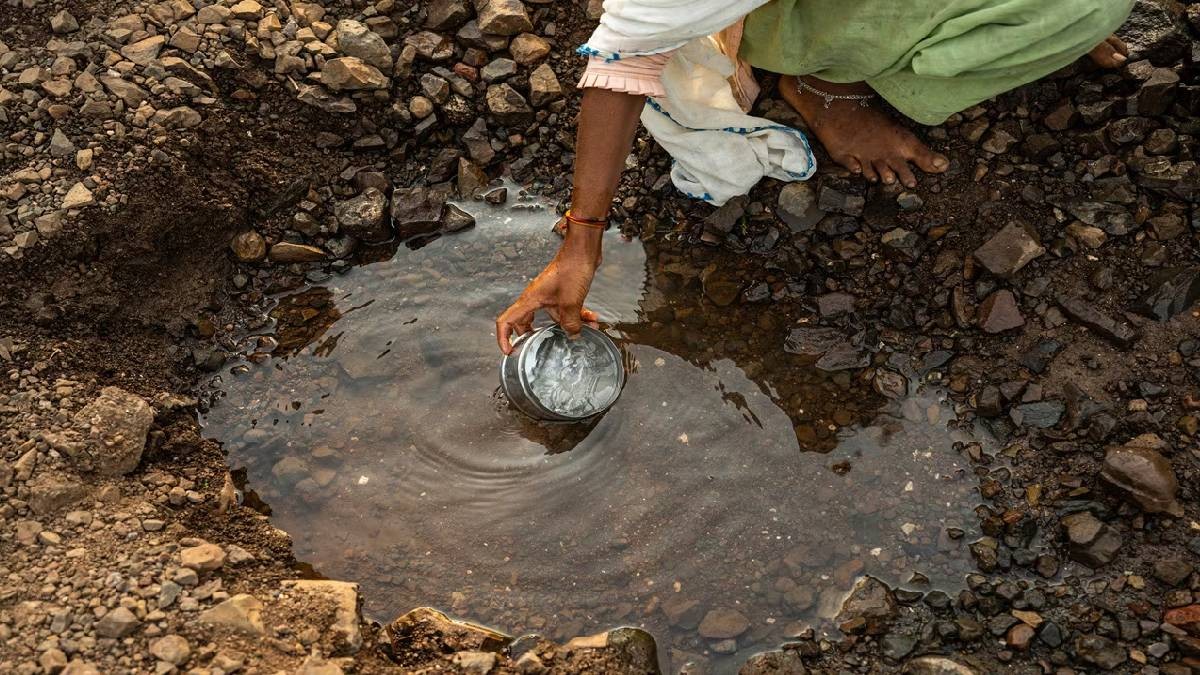
A potentially historic El Niño event developing in the Pacific Ocean is raising concerns about another major surge in global temperatures, while India faces the possibility of a double blow to agriculture from extreme heat and disrupted rainfall. Weather experts have warned that the developing phenomenon could become one of the strongest El Niño events in more than a century.
El Niño is a natural climate pattern that occurs when unusually warm surface waters develop across the central and eastern tropical Pacific Ocean. Because the Pacific is closely connected to atmospheric circulation, a powerful El Niño can influence weather patterns far beyond the region, affecting rainfall, temperatures, storms and drought conditions across several continents.
Global Heat Could Rise Sharply
The developing El Niño is particularly significant because it is emerging against a backdrop of already elevated global temperatures caused by long-term climate change. Britain's Met Office has warned that the event could contribute to exceptionally high temperatures in 2027, potentially pushing global temperatures temporarily above the 1.5°C threshold relative to pre-industrial levels.
Scientists say the combination of natural El Niño warming and human-driven climate change could create a particularly challenging period. Some regions may experience severe heat and drought, while others could face intense rainfall, flooding and storms.
The effects are not expected to be uniform. South America, parts of Africa, Australia and the western Pacific are among the regions that can experience significant changes in rainfall and temperature during strong El Niño events.
Why India Is Concerned
For India, the biggest concern is the southwest monsoon and agriculture. A strong El Niño has historically been associated with weaker or irregular monsoon conditions over large parts of the country. Changes in rainfall can affect reservoirs, groundwater levels and crop production.
Farmers could face what has been described as a double crop hit. Higher temperatures can increase evaporation and water requirements, while irregular or insufficient rainfall can reduce soil moisture. Together, these conditions could put pressure on crops during crucial stages of cultivation.
Rice, pulses, oilseeds and other rain-dependent crops could be particularly vulnerable if rainfall becomes unpredictable. Reduced agricultural output could also create wider economic consequences through higher food prices and increased pressure on rural incomes.
Preparing for a Difficult Weather Cycle
India's weather agencies will closely monitor Pacific Ocean temperatures and evolving El Niño conditions. Early forecasts can help governments and farmers adjust sowing strategies, irrigation plans and water-management measures.
However, scientists stress that El Niño does not automatically mean drought everywhere in India. Its influence varies by region and season, and other climate factors can modify its impact.
The possible emergence of an exceptionally strong El Niño therefore presents a major global climate challenge. With the world already experiencing increasingly frequent extreme-weather events, the coming months will be closely watched for signs of how strongly the Pacific phenomenon affects global temperatures, India's monsoon and food production.