During his visit to Islamabad, U.S. Senator JD Vance was asked by a Pakistani journalist to compare his experiences in India and Pakistan. His response highlighted the stark economic and strategic differences between the two nations.
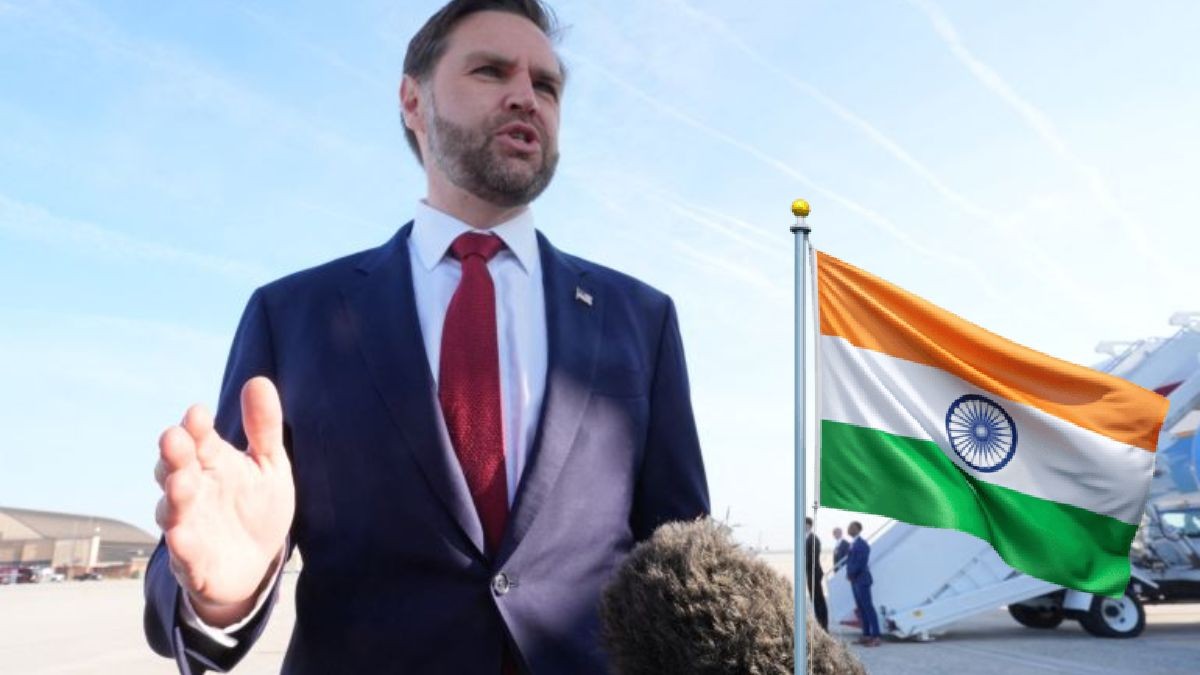
Vance stated, “Honestly, you can’t compare India and Pakistan. India has a 4 trillion economy whereas Pakistan is not even 500 billion dollars. We have a significant relationship with India be it in Defence, IT, Security and various other sectors whereas I am here just to complete the negotiations and fly back.”
This remark underscores the depth of U.S.-India ties, which span across defense cooperation, technology, and security partnerships. India’s rapidly growing economy and global influence have positioned it as a key partner for Washington in the Indo-Pacific region. Vance’s emphasis on India’s economic scale reflects the strategic weight the U.S. places on its relationship with New Delhi.
In contrast, his comments about Pakistan suggest a more transactional engagement, focused narrowly on negotiations rather than long-term strategic alignment. While Pakistan remains relevant in certain regional contexts, Vance’s statement highlights the imbalance in U.S. priorities between the two South Asian nations.
The senator’s candid comparison is likely to spark debate, but it also reflects the reality of shifting geopolitical dynamics. As India continues to expand its economic and technological footprint, its partnership with the U.S. is expected to deepen further, while Pakistan’s role may remain limited to specific negotiations and regional issues.
In essence, JD Vance’s remarks underline India’s growing global stature and the evolving nature of U.S. engagement in South Asia.