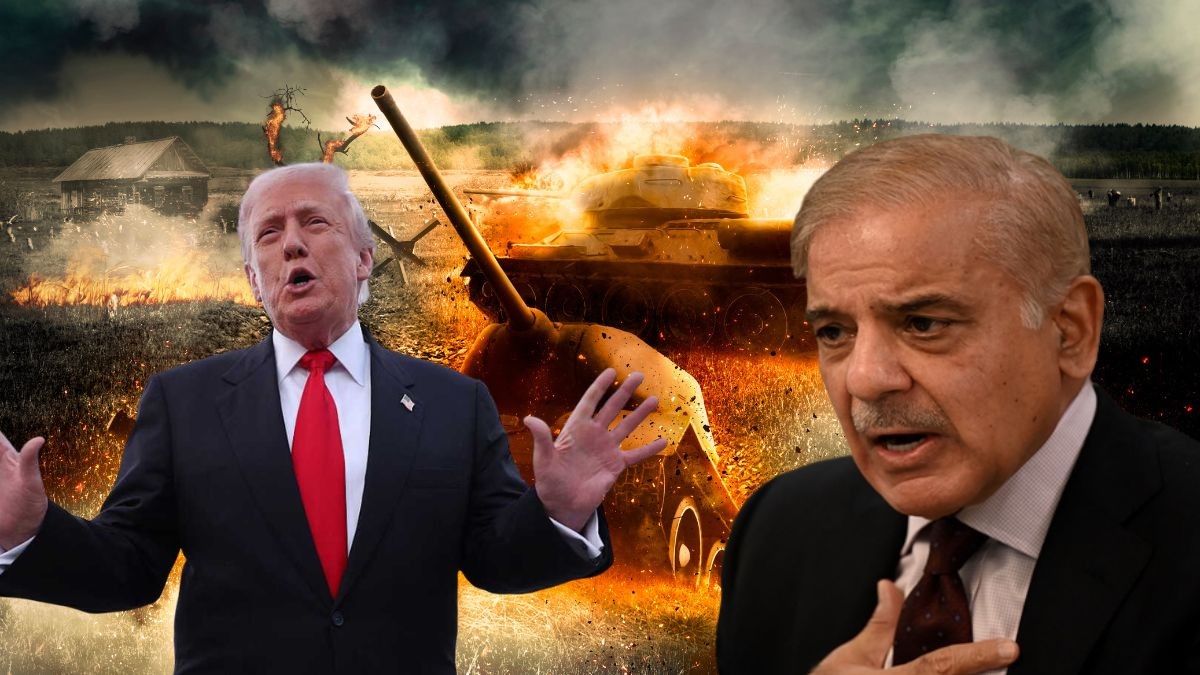
In a significant diplomatic development, Pakistan’s Prime Minister Shehbaz Sharif has formally requested U.S. President Donald Trump to extend the looming deadline on Iran by two weeks. The appeal comes at a critical juncture, as Islamabad positions itself as a mediator in the ongoing tensions between Washington and Tehran.
According to officials familiar with the matter, Sharif’s outreach underscores Pakistan’s growing role in regional diplomacy. The request aims to buy additional time for negotiations, allowing space for dialogue that could ease escalating pressures. Pakistan has historically maintained close ties with both the United States and Iran, making it uniquely placed to act as a bridge in this sensitive geopolitical moment.
The deadline in question relates to U.S. measures against Iran, which have heightened concerns across the Middle East. Analysts suggest that an extension could provide breathing room for backchannel talks, potentially averting further confrontation. Sharif’s move reflects Islamabad’s broader strategy of balancing its alliances while safeguarding regional stability.
Diplomatic sources indicate that Pakistan has been actively engaging with both sides, emphasizing the importance of dialogue over escalation. The two-week extension, if granted, would allow Pakistan to continue its mediation efforts and encourage constructive engagement. Observers note that Sharif’s request also signals Pakistan’s intent to assert itself as a responsible stakeholder in regional peace initiatives.
The appeal to President Trump highlights the delicate balancing act faced by Pakistan. On one hand, it seeks to maintain strong relations with Washington, a key partner in trade and security. On the other, it must navigate its longstanding cultural and economic ties with Iran. By stepping into the role of mediator, Pakistan hopes to prevent the region from sliding into deeper instability.
While the U.S. administration has yet to respond publicly to Sharif’s request, the move has already sparked debate among policy experts. Some view it as a pragmatic step that could open doors for renewed diplomacy, while others remain skeptical about whether an extension would meaningfully alter the trajectory of U.S.-Iran relations.
For Pakistan, however, the stakes are clear. A peaceful resolution would not only bolster its international standing but also safeguard its own national interests, given its proximity to Iran and reliance on regional stability. As the world watches closely, the coming days will reveal whether Washington is willing to grant Islamabad the diplomatic window it seeks.