In a recent statement, President Donald Trump declined to comment on Pakistan’s two-week ceasefire proposal, citing what he described as “heated negotiations” currently underway between the United States and Iran. The remark underscores the complexity of overlapping diplomatic efforts in the Middle East and South Asia, where multiple conflicts and negotiations are unfolding simultaneously.
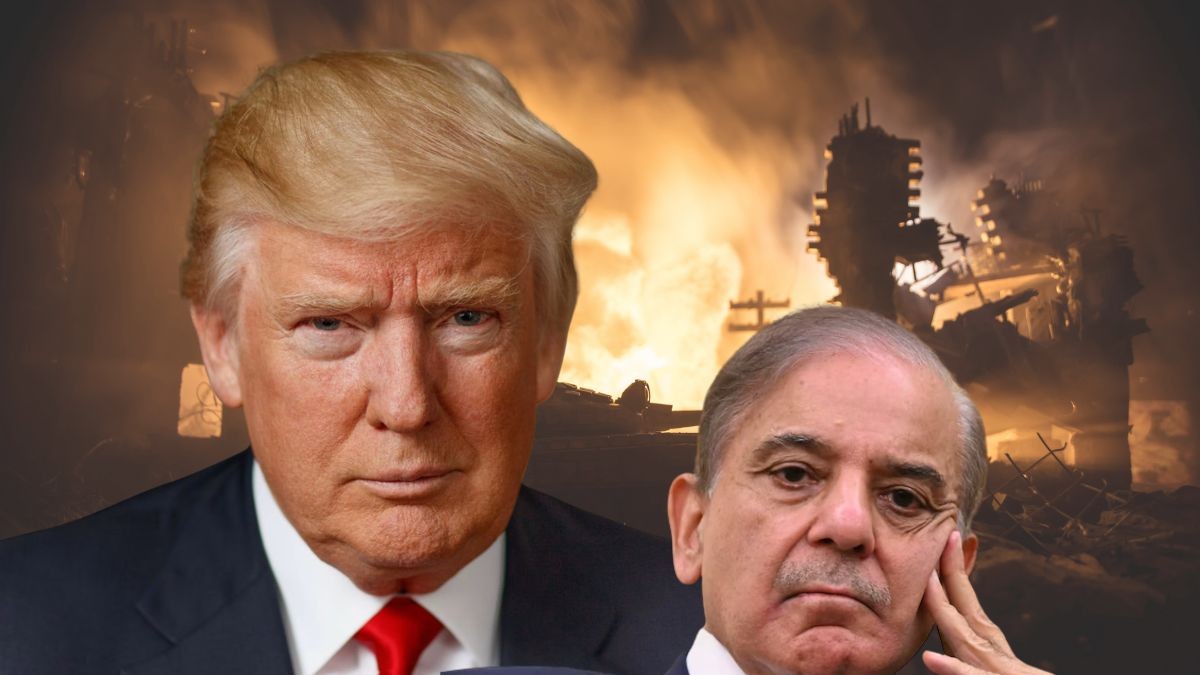
Pakistan’s proposal, aimed at easing tensions in a volatile region, was expected to draw international attention. However, Trump’s refusal to weigh in highlights Washington’s prioritization of its ongoing dialogue with Tehran. According to officials, the U.S.–Iran negotiations have reached a critical juncture, with both sides pressing for concessions on security and sanctions. Trump’s choice to remain silent on Islamabad’s initiative suggests that the administration does not want to risk complicating its bargaining position with Iran by engaging in parallel commitments.
Observers note that Pakistan’s ceasefire plan could have significant implications for regional stability, particularly in Afghanistan and along the Pakistan–India border. Yet, without U.S. endorsement, the proposal may struggle to gain traction among other stakeholders. Analysts argue that Washington’s focus on Iran reflects broader strategic concerns, including nuclear proliferation and maritime security in the Persian Gulf.
Trump’s statement also illustrates the balancing act faced by U.S. policymakers. On one hand, Pakistan remains a key partner in counterterrorism and regional diplomacy. On the other, Iran represents a longstanding challenge to American interests, with negotiations often marked by sharp disagreements and fragile progress. By deferring comment, Trump appears to be signaling that the U.S. will not dilute its negotiating leverage with Tehran by committing to additional initiatives elsewhere.
The silence on Pakistan’s proposal leaves unanswered questions about Washington’s broader regional strategy. Will the U.S. eventually support Islamabad’s ceasefire push once talks with Iran stabilize, or will it continue to prioritize one negotiation at the expense of another? For now, Trump’s remarks suggest that the administration is unwilling to risk distraction from what it views as a pivotal diplomatic confrontation.
At a time when multiple conflicts intersect across South Asia and the Middle East, the U.S. stance reflects the challenges of managing simultaneous crises. Pakistan’s proposal may yet resurface in diplomatic discussions, but for now, Washington’s gaze remains firmly fixed on Tehran.