In a significant development that underscores the mounting financial challenges faced by Pakistan, the United Arab Emirates (UAE) has demanded the repayment of a $3.5 billion debt by the end of April 2026. This marks a departure from the long-standing practice of rolling over loans, which had previously provided Islamabad with temporary relief and breathing space in managing its external obligations.
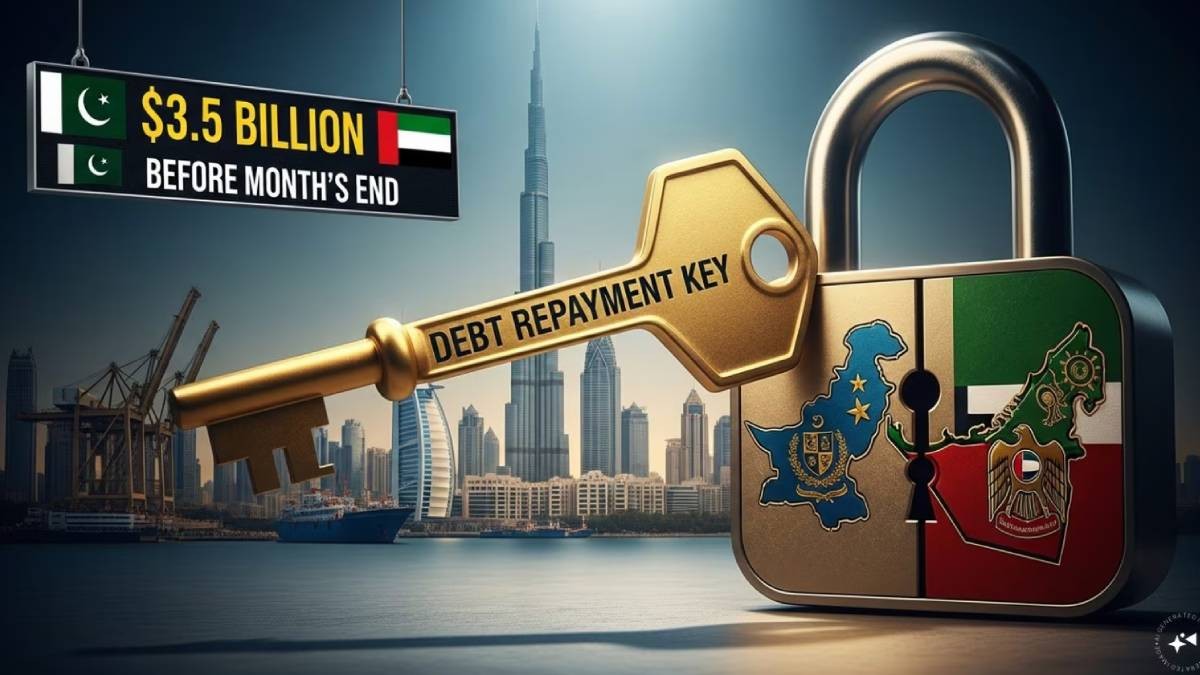
For years, Pakistan has relied on financial support from Gulf states, particularly the UAE and Saudi Arabia, to stabilize its foreign exchange reserves. These loans were often rolled over annually, allowing Pakistan to avoid immediate repayment. However, in recent months, the UAE shifted the arrangement to a month-to-month rollover, creating uncertainty and exerting pressure on Pakistan’s financial planning. Faced with this instability, Pakistan’s Finance Ministry has decided to repay the debt in full, signaling a strategic shift in its approach to external financing.
The repayment of such a large sum will inevitably strain Pakistan’s already fragile reserves. With foreign exchange reserves hovering at precarious levels, the move could trigger currency depreciation and inflationary pressures. At the same time, the decision may be aimed at demonstrating financial discipline to international lenders, particularly the International Monetary Fund (IMF), with which Pakistan is negotiating for continued support. By repaying the UAE, Islamabad may hope to strengthen its credibility and bargaining position in future financial negotiations.
The UAE’s demand comes at a time of heightened geopolitical tensions in the Gulf, particularly amid escalating Iran–US hostilities. Gulf states have been pressuring Pakistan to align more closely with their strategic interests. By opting to repay the debt rather than remain dependent on rollover arrangements, Pakistan appears to be signaling a desire for greater independence in its foreign policy. This move could redefine its relationship with the UAE, shifting from dependency to a more balanced dynamic.
While repayment removes the UAE’s leverage, it also exposes Pakistan to new risks. Without rollover support, Islamabad will need to rely more heavily on IMF programs, remittances from overseas workers, and export growth to maintain economic stability. Investor confidence may be tested, as markets weigh the short-term liquidity risks against the long-term benefits of reduced dependency. Additionally, Gulf states may interpret the repayment as defiance, potentially complicating future aid or investment flows.
Pakistan’s decision to repay the UAE’s $3.5 billion debt is both a financial gamble and a geopolitical statement. It relieves external pressure but risks worsening Pakistan’s liquidity crisis in the short term. The move underscores Islamabad’s intent to assert independence amid Gulf and global tensions, while simultaneously testing its resilience in managing economic challenges without the cushion of rollover arrangements.