Koragajja Temple in Mangalore is one of the most revered shrines in the Tulu Nadu region, dedicated to the spirit deity Koragajja, worshipped as a protector and dispenser of justice. Known as “Swami” locally, the temple attracts devotees seeking blessings, protection, and fairness in life.
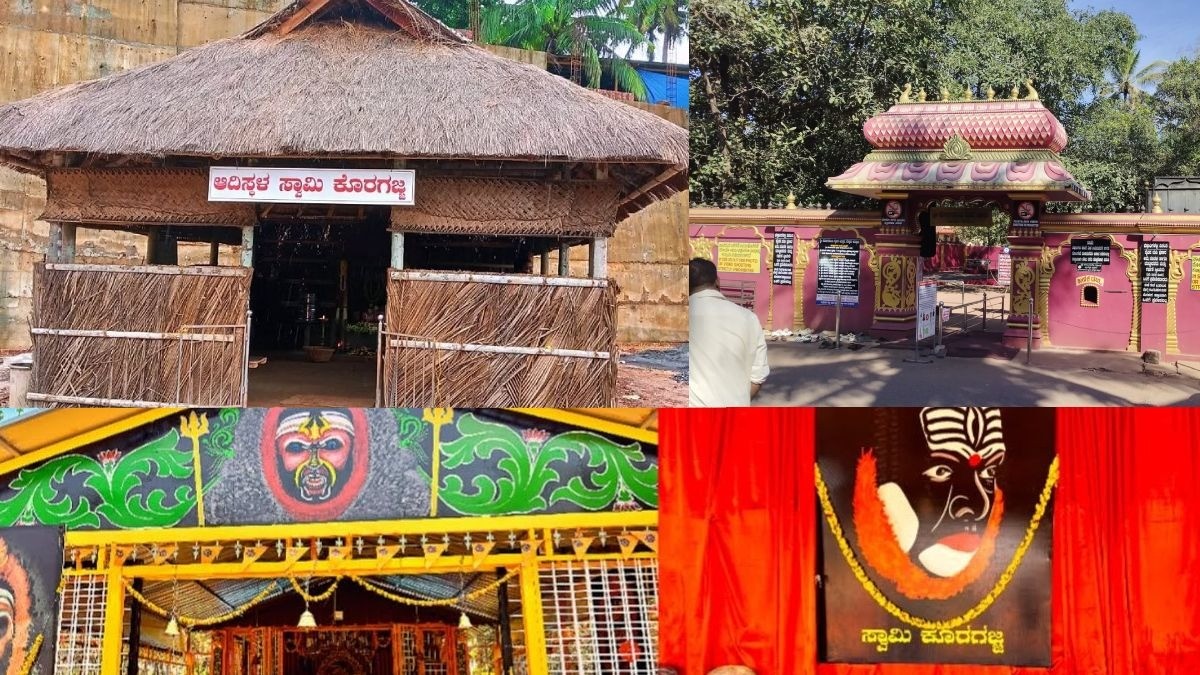
History and Significance
The Sri Koragajja Temple in Bolar, Mangalore, is deeply rooted in the cultural traditions of Tulu Nadu. Koragajja is considered a spirit deity who safeguards households and communities. His worship is widespread across Dakshina Kannada, with shrines in places like Kuttar, Jaregekatte, Padavangady, Ullal, and Urwa. The oldest temple is believed to be at Kuttar, carrying centuries of history. Devotees believe Koragajja’s blessings are essential for prosperity, justice, and protection from misfortune.
Rituals and Beliefs
Koragajja is worshipped through unique rituals, including offerings of alcohol, which symbolise respect and devotion. Traditionally, women were prohibited from attending certain rituals like the Koragajja Kola, though modern practices have evolved. Devotees often visit the temple during Amavasya (new moon nights), when special rituals are performed to seek justice and divine intervention. The deity is regarded as a “Nyaya Devata” (God of Justice), and many people approach the temple when they feel wronged or unheard elsewhere.
Architectural Features
The temple structure reflects traditional coastal Karnataka architecture, with simple yet spiritually powerful surroundings. Unlike grand Hindu temples, Koragajja shrines emphasize ritual space over elaborate design. The sanctum is modest, focusing on the deity’s presence rather than ornate decoration.
Cultural Importance
Koragajja worship is not confined to one temple; it is a cultural phenomenon across Tulu Nadu. Almost every household in the region reveres him, considering his blessings vital for daily life. His role as a protector and dispenser of justice makes him unique among deities in Karnataka.
FAQs
Q1: Who is Koragajja?
Koragajja is a spirit deity worshipped in Tulu Nadu, believed to protect households and deliver justice.
Q2: Why is alcohol offered to Koragajja?
Alcohol is considered a traditional offering symbolising respect and devotion to the deity.
Q3: Where is the oldest Koragajja temple located?
The oldest shrine is believed to be at Kuttar, near Mangalore.
Q4: Why is Koragajja called the God of Justice?
Devotees believe he delivers fairness and protection when human systems fail, especially during rituals on Amavasya nights.
Q5: Are there other Koragajja temples apart from Mangalore?
Yes, shrines are found in Ullal, Urwa, Udupi, Padavangady, and other parts of Dakshina Kannada.
The Koragajja Temple in Mangalore is more than a place of worship—it is a cultural institution symbolizing justice, protection, and community faith. Rooted in Tulu traditions, it continues to attract devotees from across Karnataka and beyond. Its rituals, legends, and widespread reverence highlight the unique spiritual landscape of coastal Karnataka, making it a must-visit for those interested in local heritage and spirituality.