A businessman with a reported net worth of Rs 500 crore has gone viral after revealing that he wears a first-copy Rolex worth just Rs 10,000 instead of purchasing the original luxury timepiece. His candid remarks have sparked widespread discussion on social media, with many praising his practical approach to wealth while others questioned the idea of wearing a replica watch.
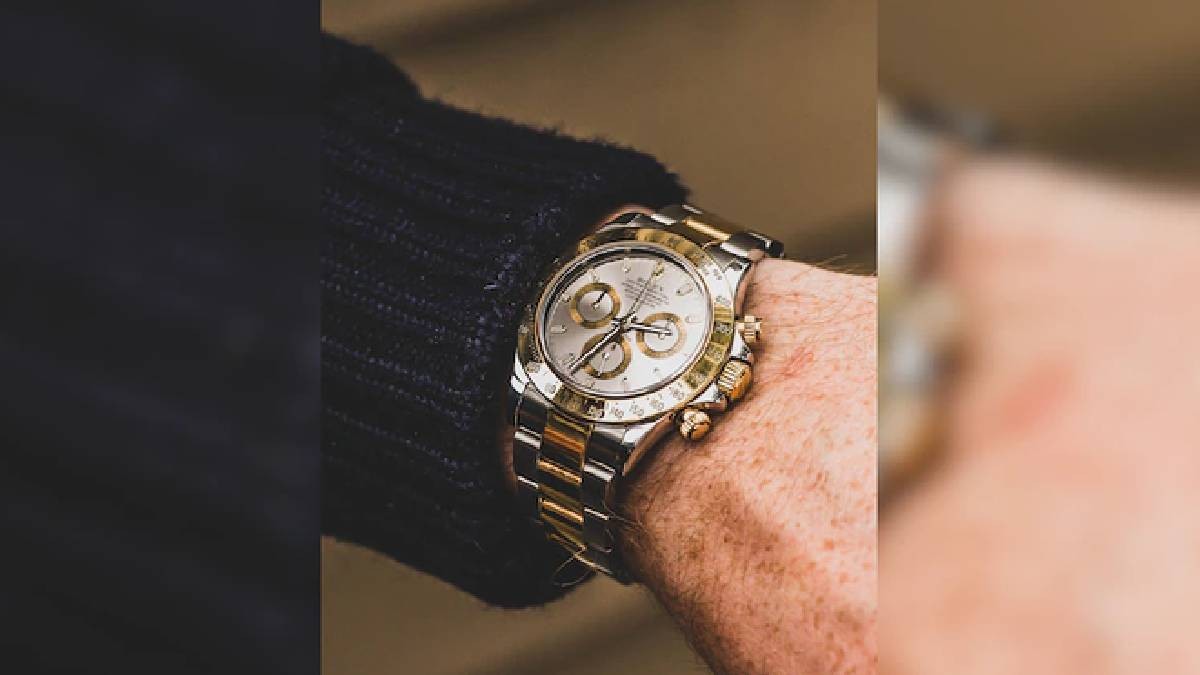
During a recent interview, the entrepreneur was asked about the luxury watch on his wrist. Instead of boasting about owning an expensive Rolex, he surprised viewers by admitting that it was not genuine.
"It's a first-copy Rolex. I bought it for Rs 10,000," he said, adding that he sees no reason to spend lakhs—or even crores—on a watch when a similar-looking alternative serves the same purpose.
The businessman explained that his decision has little to do with affordability. Despite having a fortune estimated at Rs 500 crore, he believes that true wealth lies in making sensible financial decisions rather than displaying expensive possessions.
According to him, luxury items should not define a person's success. He argued that many people buy premium brands simply to impress others, whereas he prefers investing his money in businesses and assets that generate long-term value.
His comments quickly gained traction online, with clips from the interview circulating across social media platforms. Many users appreciated his straightforward outlook, saying that wealth does not necessarily mean spending extravagantly. Others pointed out that successful entrepreneurs are often known for being careful with their money despite their high net worth.
However, the revelation also sparked debate. Some social media users argued that promoting replica luxury products could encourage counterfeit markets, which raise legal and ethical concerns. Luxury brands such as Rolex invest heavily in craftsmanship, innovation, and intellectual property, making counterfeit products a controversial issue.
Others noted that while there is nothing wrong with choosing affordable alternatives, openly endorsing first-copy products may send the wrong message to consumers. They emphasized that buyers looking for budget-friendly watches can instead opt for legitimate brands that offer quality without imitating luxury labels.
The incident has once again highlighted the broader conversation around wealth and consumerism. Many high-net-worth individuals today are increasingly embracing minimalist lifestyles, focusing on experiences, investments, and financial independence rather than flashy displays of luxury.
Whether people agree with his choice or not, the businessman's statement has certainly ignited conversations about what luxury truly means. For some, owning an authentic luxury watch is a symbol of craftsmanship and achievement. For others, practicality and smart financial decisions matter more than the logo on their wrist.
As the debate continues online, one thing is clear—the entrepreneur's Rs 10,000 first-copy Rolex has generated far more attention than many genuine luxury watches ever do