
BSE Share Price Falls Again as Jefferies Downgrades Stock: What Investors Should Know
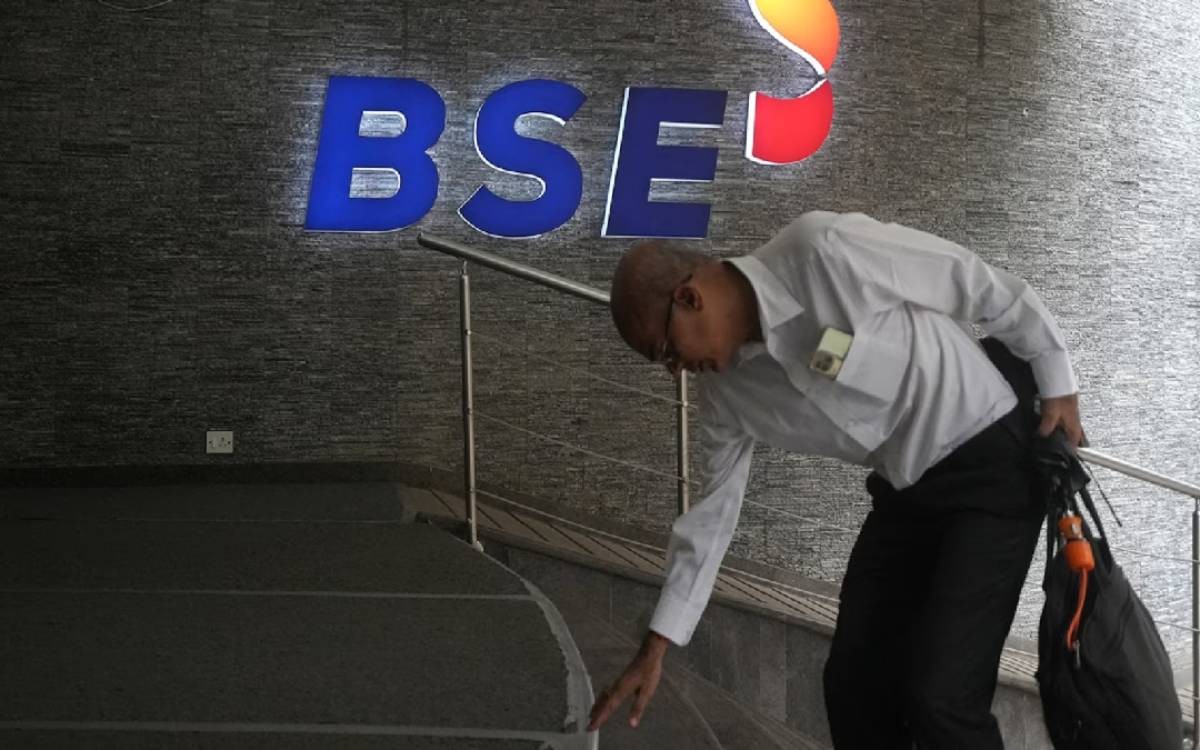
BSE Ltd shares remained under pressure after a sharp decline on Monday, August 17, 2026, as concerns over valuation, competition and the company's future growth outlook weighed on investor sentiment. The stock fell around 5% during the session and touched an intraday low of approximately ₹3,283 on the NSE. The weakness came after global brokerage Jefferies downgraded the stock from “Hold” to “Underperform” and reduced its target price from ₹3,520 to ₹2,940.
The downgrade has increased pressure on BSE shares, which have already experienced a significant correction from their recent highs. Jefferies' revised target represents a substantial downside from the levels at which the brokerage made its call. The brokerage's concerns reportedly followed BSE's first-quarter financial performance and changes to its earnings estimates.
One of the biggest factors investors are monitoring is the evolving competitive environment in India's capital-markets infrastructure. The proposed listing of the National Stock Exchange (NSE) is also expected to attract considerable market attention. Some investors believe an NSE listing could change the competitive dynamics between the two exchanges, although the long-term impact will depend on trading volumes, product expansion and market-share trends.
BSE's strong growth in recent years has been supported by increasing participation in Indian capital markets, rising derivatives activity and the expansion of retail investors. However, the company's sharp share-price appreciation has also raised valuation concerns. The latest brokerage downgrade suggests that analysts are becoming more cautious about whether earnings growth can justify the stock's premium valuation.
The broader market backdrop has also been challenging. Indian equities opened lower on Tuesday, August 18, amid renewed geopolitical concerns and rising crude oil prices. The Nifty 50 and Sensex both started the session in negative territory, reflecting a generally cautious market environment. Higher oil prices are particularly important for India because the country is heavily dependent on imported crude.
Meanwhile, BSE has continued to introduce measures aimed at improving market infrastructure. Its clearing arm recently launched three-working-day Securities Lending and Borrowing contracts, designed to provide market participants with greater flexibility for short-term borrowing and lending.
For existing shareholders, the latest decline raises an important question: should they hold, buy more or wait? The answer depends on individual investment objectives, valuation expectations and risk tolerance. A falling share price does not automatically make a stock attractive, particularly when analyst estimates and competitive risks are changing.
Investors should therefore closely monitor BSE's upcoming earnings, market-share trends, derivatives volumes, regulatory developments and the progress of the NSE listing process. The latest Jefferies downgrade serves as a reminder that even high-performing stocks can face sharp corrections when valuations come under scrutin