
The Odisha government has announced plans to purchase 79,033 smartphones for distribution to Anganwadi workers across the state, aiming to strengthen digital services and improve the delivery of welfare schemes. The devices, identified as Samsung Galaxy A06 smartphones, will be procured at a total cost of ₹93.13 crore, reflecting the government’s commitment to enhancing grassroots-level service efficiency.
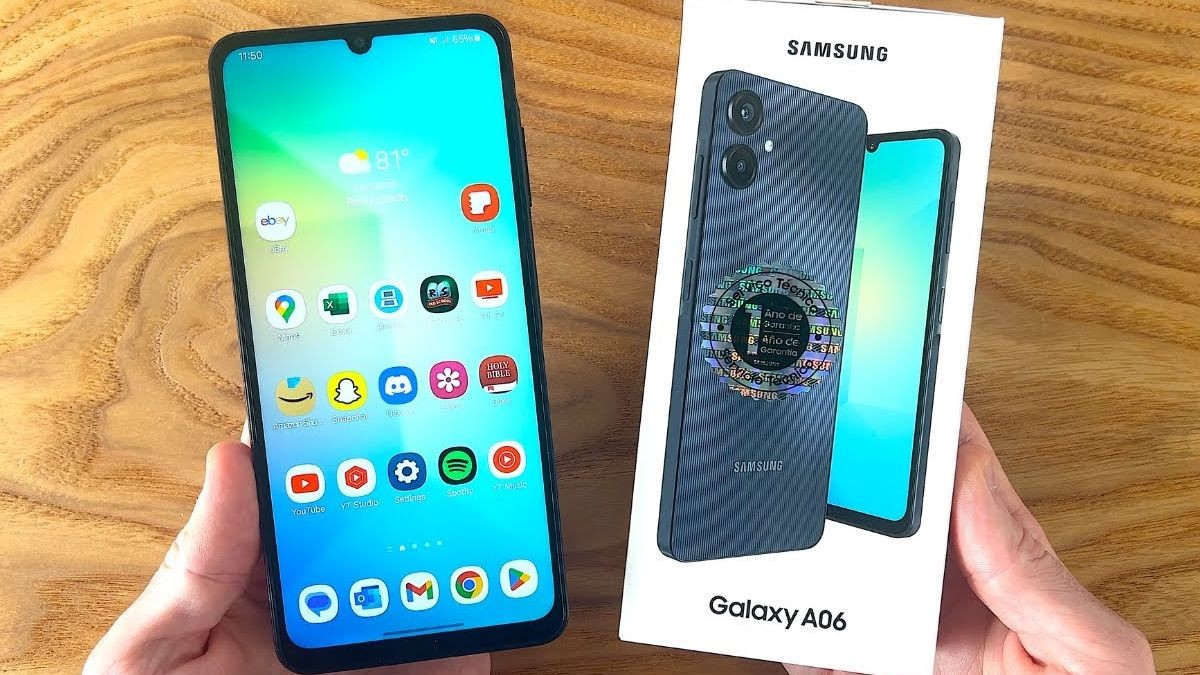
According to official sources, the smartphones will be distributed to Anganwadi workers under various women and child welfare programs. These devices are expected to support digital data entry, beneficiary tracking, and real-time monitoring of nutrition and health services provided through Anganwadi centers. The move is part of the government’s broader strategy to modernize public service delivery and ensure accurate record-keeping.
The Samsung Galaxy A06 model was selected based on its affordability, reliability, and suitability for government operations. Officials believe that equipping Anganwadi workers with smartphones will help streamline communication between field workers and administrative offices, reducing paperwork and improving response times. The initiative is also expected to help workers upload reports, maintain attendance records, and share important information related to maternal and child health.
Government authorities stated that the procurement process was conducted following established guidelines to ensure transparency and cost-effectiveness. Once distributed, the smartphones will be pre-installed with government-approved applications designed to assist Anganwadi workers in performing their daily duties more efficiently.
Experts believe that providing digital tools to Anganwadi workers will significantly improve the implementation of nutrition, health, and early childhood education programs. With better access to technology, workers will be able to track beneficiaries more accurately and ensure that government schemes reach eligible families without delays.