
Seven Devotees Die in Temple Crowd Crush in Bihar
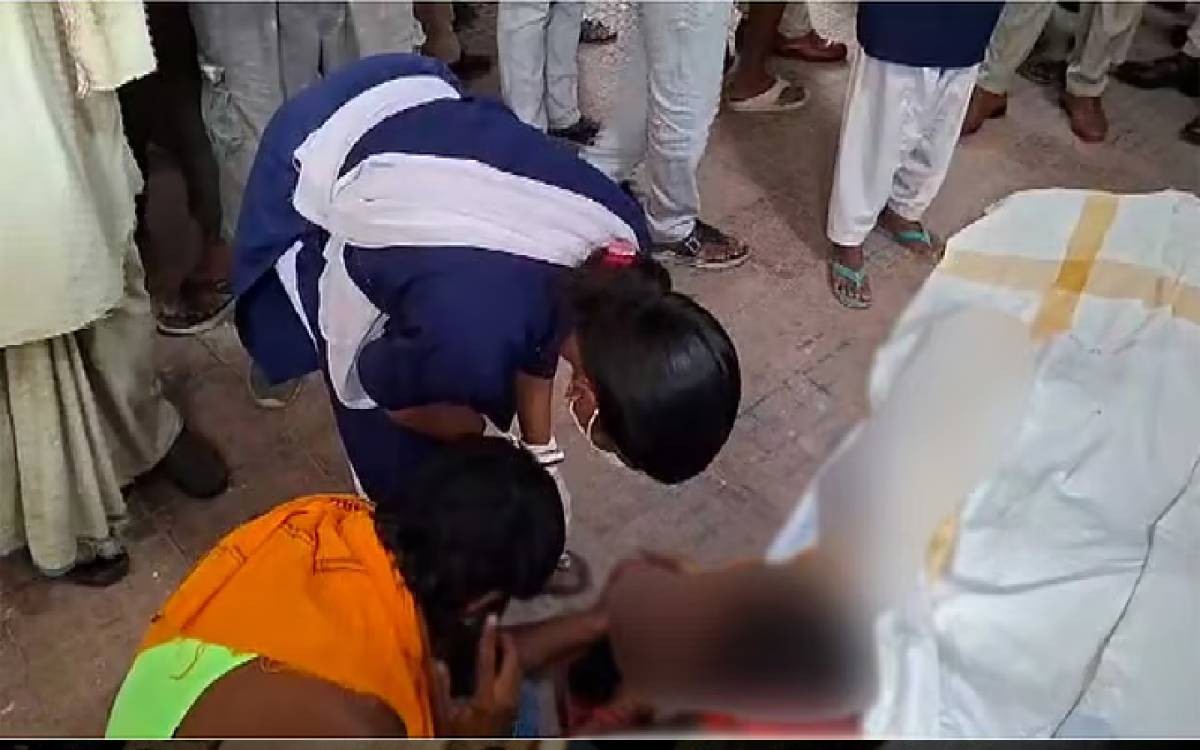
A tragic crowd-crush incident at the Ashok Dham Temple in Bihar’s Lakhisarai district left at least seven devotees dead and more than a dozen others injured on Monday, August 17, 2026. The incident occurred as thousands of devotees gathered at the temple on the third Monday of the holy Shravan month to offer prayers and perform Jalabhishek to Lord Shiva.
According to initial reports, the incident took place in the early morning amid an unusually large gathering. The area around the temple became heavily congested as devotees arrived in large numbers for the religious observance. Officials indicated that the arrival of two trains in quick succession further increased the pressure on the already crowded area near the temple.
The situation reportedly turned chaotic after an electric pole or wire-related incident triggered panic among devotees. Some reports said rumours of a live electric wire spread through the crowd, prompting people to rush away. As devotees tried to move simultaneously through a confined and heavily crowded area, barricades reportedly gave way, resulting in a dangerous crush. Authorities are continuing to investigate the precise sequence of events and the role of the reported electrical incident.
At least seven people were confirmed dead, while more than 12 others suffered injuries, according to reports available on Monday. Emergency personnel and local authorities responded to the scene, while the injured were taken to hospitals for treatment. The identities and details of all victims were being established as officials continued the relief and rescue efforts.
The tragedy has once again raised concerns over crowd management and safety arrangements at major religious gatherings. Large Hindu festivals and auspicious days can attract thousands of worshippers within a short period, creating significant challenges for authorities. Proper barricading, controlled entry and exit routes, real-time crowd monitoring, emergency access and clear communication are considered essential to prevent panic and dangerous overcrowding.
Bihar authorities have expressed grief over the deaths and indicated that the circumstances surrounding the incident would be examined. The government has also focused on ensuring prompt medical treatment for those injured. Any lapses in crowd management or arrangements are expected to be assessed as part of the investigation.
The Ashok Dham incident is a painful reminder of how quickly a large gathering can become hazardous when panic develops in a tightly packed crowd. With religious gatherings expected to draw large numbers of devotees, the latest tragedy underscores the need for stronger crowd-control measures and emergency preparedness at temples and other major pilgrimage sites.