
Indian Rupee Accepted Internationally: List of Countries Where INR Works
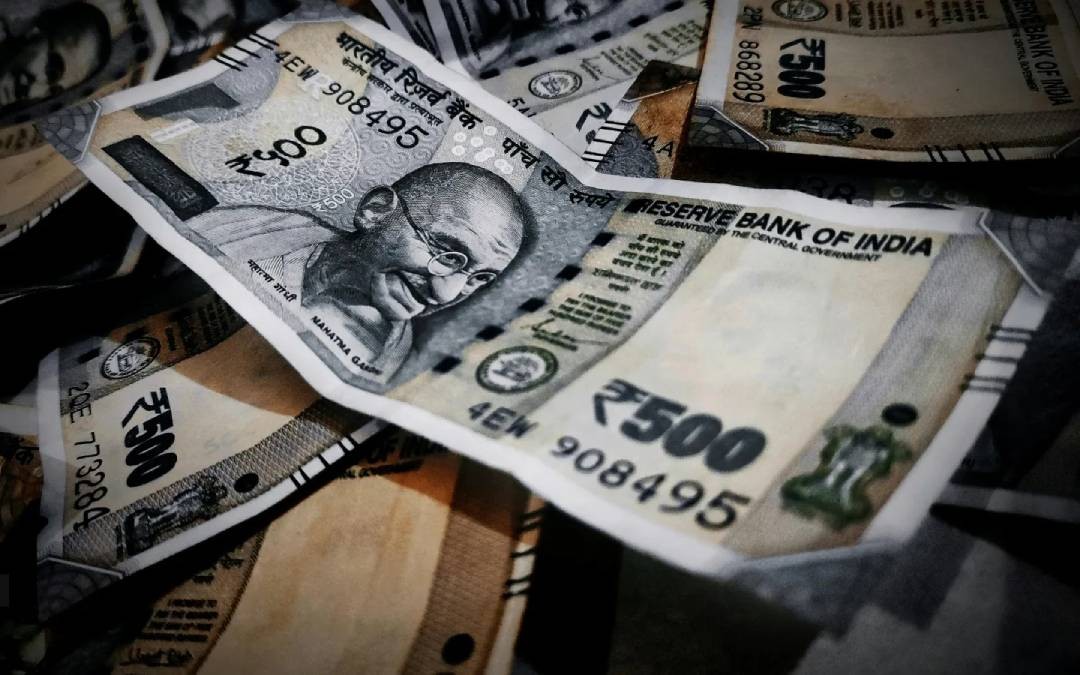
The Indian rupee (INR) is primarily the currency of India, but its use extends beyond the country’s borders in a few places. For Indian travellers, understanding where the rupee is accepted can make international trips easier and reduce the need for immediate currency exchange. However, it is important to distinguish between countries where INR is officially accepted, places where it is commonly accepted by businesses, and destinations where Indian digital payments such as UPI work.
Bhutan: INR Widely Accepted
Bhutan is one of the easiest international destinations for Indians carrying rupees. Indian currency is widely accepted across the country, particularly in tourist areas, hotels, shops and other establishments. Bhutan’s ngultrum is pegged to the Indian rupee at par, making the two currencies closely linked. Bhutan’s official foreign-exchange regulations also specifically provide for transactions involving Indian rupees.
Nepal: INR Has Broad Acceptance
Nepal is another neighbouring country where Indian rupees have significant practical use. The Nepalese rupee is pegged to the Indian rupee, and Indian currency can be exchanged and used in many parts of the country. The Nepal Rastra Bank continues to publish an official INR exchange rate, with ₹100 Indian rupees fixed at NPR 160.
Travellers should nevertheless be careful about banknote denominations and local regulations. Nepal has restrictions concerning certain Indian banknotes, so carrying only commonly accepted denominations is advisable.
Zimbabwe: INR Has a Foreign-Currency Role
Zimbabwe has historically included the Indian rupee among currencies permitted within its multicurrency financial system. The Embassy of Zimbabwe states that residents and companies can maintain foreign-currency accounts in several currencies, including INR. This is different from saying that every shop in Zimbabwe routinely accepts Indian cash, so travellers should not assume that INR will work as easily there as it does in Nepal or Bhutan.
UPI Is Different From Physical Rupees
Indian travellers should not confuse international acceptance of the Indian rupee with international UPI acceptance. UPI can allow Indian users to make digital payments abroad without carrying large quantities of cash. According to the Government of India, UPI is currently available for merchant payments in countries including Singapore, the UAE, France, Mauritius, Nepal, Bhutan, Qatar, Sri Lanka and Cambodia.
Therefore, an overseas destination may support Indian digital payments even though local merchants do not accept physical Indian banknotes. For most international trips, the safest approach is to carry the destination's local currency or an internationally accepted payment method, while using INR where officially permitted.
In short, Bhutan and Nepal are the clearest international destinations where Indian rupees have widespread practical acceptance, while Zimbabwe has a more limited foreign-currency role. UPI has expanded the reach of Indian payments much further, but it should not be considered the same as physical INR being accepted. Always check local currency and payment rules before travelling