The Indian government has intensified its nationwide fuel-quality checks following growing concerns over contamination in E20 petrol, with petrol sales reportedly stopped at 2,573 retail outlets as of August 25, 2026. The action is part of a wider campaign to identify contamination, water ingress and other fuel-quality issues across India's petrol distribution network.
According to reports citing Petroleum Ministry sources, Indian Oil Corporation (IOCL) accounts for the largest number of affected outlets, with petrol sales halted at 1,257 pumps. Hindustan Petroleum Corporation (HPCL) follows with 915 outlets, while Bharat Petroleum Corporation (BPCL) accounts for 401.
Why Were Petrol Sales Stopped?
The latest action comes amid concerns surrounding the quality of ethanol-blended petrol. The controversy intensified after the Society of Indian Automobile Manufacturers (SIAM) raised concerns about unusually high chloride levels in some E20 fuel samples. SIAM later withdrew its communication, stating that some of the reported figures required further verification.
The government has consequently expanded inspections throughout the fuel supply chain. Authorities are particularly checking for water entering underground storage tanks, chloride contamination, tank integrity and problems with automated monitoring equipment.
Underground tanks at nearly 88,995 dealerships are reportedly undergoing water-ingress checks between eight and 12 times a day. A broader audit has covered approximately 84,687 fuel stations, while automated monitoring systems and probes are operating at more than 85,000 outlets.
What Is E20 Petrol?
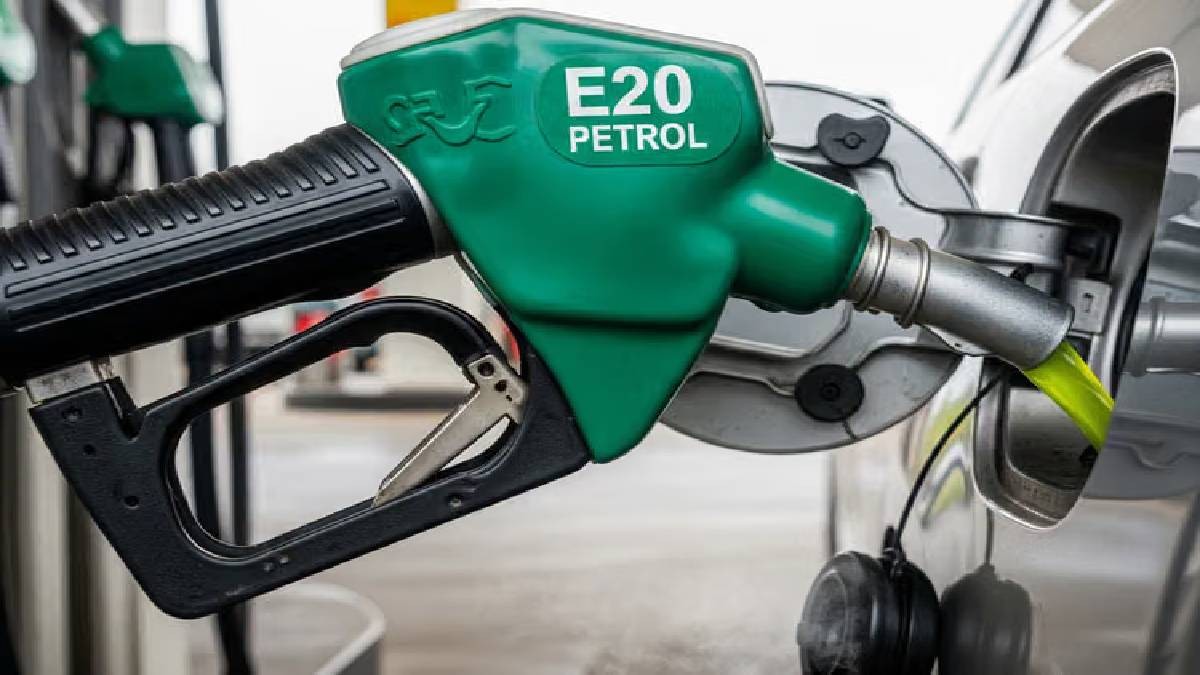
E20 petrol is gasoline blended with up to 20% ethanol. India has been increasing ethanol blending as part of its efforts to reduce crude-oil imports and promote domestically produced renewable fuel.
However, the recent controversy has raised questions about fuel quality rather than necessarily proving that E20 itself is unsafe. Reports indicate that elevated chloride levels and water contamination may create problems for fuel-system components, including injectors and pumps.
Oil marketing companies have also increased testing. Reports indicate that thousands of sulphur and chloride tests have been conducted on ethanol tankers and storage facilities. Government testing has generally reported chloride levels within prescribed limits in most samples, although isolated contamination cases have been identified.
What Does This Mean for Motorists?
The suspension of sales at 2,573 outlets does not necessarily mean that all these pumps were selling highly contaminated E20 petrol. The wider action covers multiple compliance and quality issues, including water ingress, tank conditions, monitoring equipment and fuel contamination.
The government’s intensified inspections are aimed at ensuring that fuel reaching consumers meets required quality standards and at restoring confidence in India's rapidly expanding E20 fuel network.
For motorists, the latest development highlights the importance of fuel quality and proper storage, particularly during the monsoon season when water entering underground tanks can become a significant concern.