The short answer is: the Karnataka government is trying to change how Bengaluru uses public road space, not simply collect another fee. The proposed paid on-street parking policy comes after years of worsening congestion, rapidly growing vehicle ownership, and roads being used as permanent private parking. The policy is still in the draft/proposal stage, with public objections invited before final implementation.
Why Karnataka is introducing paid street parking in Bengaluru now
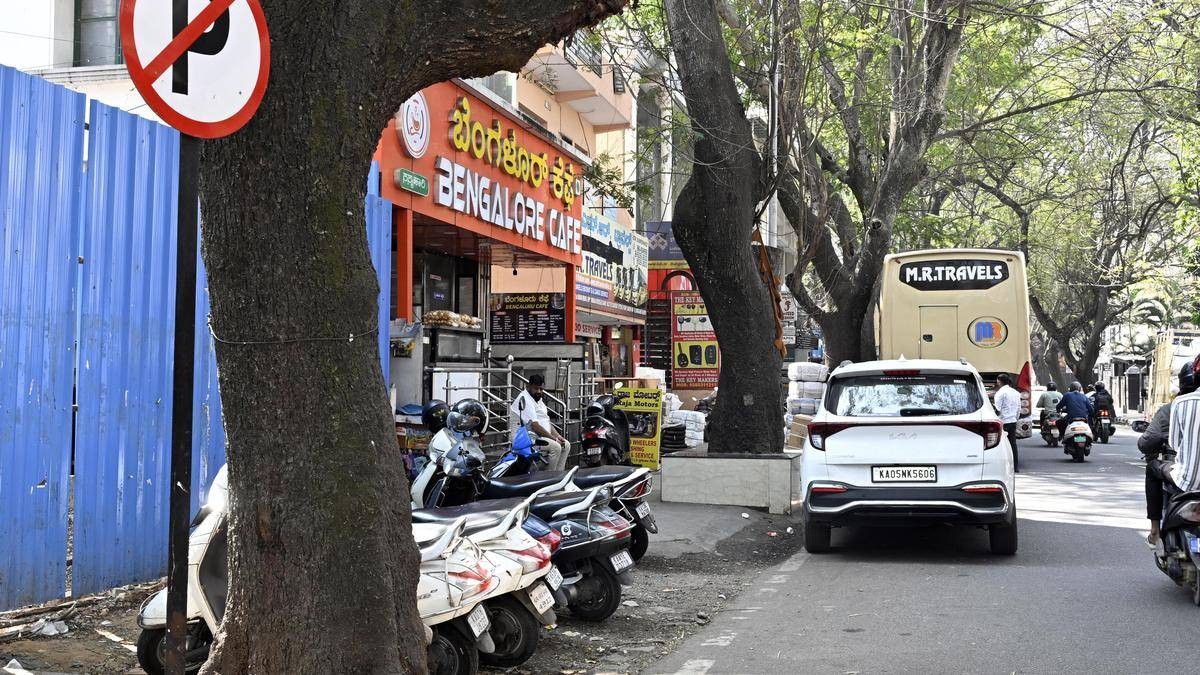
For decades, many Bengaluru residents have parked cars on public roads outside their homes free of charge. As the city expanded, those roads became crowded with permanently parked vehicles, reducing space for moving traffic, buses, pedestrians, and emergency vehicles. Officials argue that road space is a public asset and should be managed rather than treated as free private parking.
The main reasons behind the move
1. Bengaluru's roads are running out of space
The city has seen enormous growth in private vehicles, while road width has not kept pace. In many neighbourhoods, one or both sides of residential roads are occupied by parked cars throughout the day, effectively turning public streets into parking lots.
2. To reduce traffic congestion
Officials expect parking charges to discourage unnecessary car ownership and encourage people to use:
Metro
BMTC buses
Walking
Cycling
Carpooling
The idea is that if storing a vehicle on a public road has a cost, some households may reconsider keeping multiple cars.
3. To stop permanent parking on public roads
The annual residential permit is aimed specifically at vehicles that remain parked outside homes for long periods. Rather than banning parking outright, the government is proposing a permit system that recognizes the use of public road space while charging for it.
The Times of India+1
4. To create a modern parking management system
The draft rules reportedly include:
A centralized parking portal.
Private operators to manage parking.
Digital permits.
Penalties for violations.
Different charges depending on road category and vehicle type.
This is intended to make parking more organized and easier to enforce than the current largely informal system.
Proposed fee structure
Vehicle / Parking Type
Proposed Fee
Hatchback / Small Car (Residential Permit)
₹15,000/year
Sedan (Residential Permit)
₹20,000/year
SUV / MUV (Residential Permit)
₹25,000/year
Two-Wheeler Public Parking
₹20–₹40/hour
Car Public Parking
₹40–₹80/hour
These figures are part of the draft Greater Bengaluru Area parking rules and may change after public consultation before the rules are finalized.
The Economic Times+1
Why are off-street parking lots expected to be cheaper?
One interesting feature of the proposal is that off-street parking is intended to cost less than on-street parking. The government wants drivers to use dedicated parking facilities instead of occupying valuable road space. In urban planning, this is called parking pricing—making the most congested public spaces the most expensive to use.
Why residents are unhappy
The proposal has triggered considerable backlash. Many residents argue that:
They already pay road tax when buying vehicles.
Property taxes are already high.
Older homes were built without enough parking because the city developed differently decades ago.
Landlords may pass the extra cost on to tenants through higher rents.
Critics say the policy could penalize residents for infrastructure shortcomings rather than solving the underlying parking shortage.
Government's argument vs residents' concerns
Government's View
Residents' Concern
Public roads are public assets
Vehicle owners already pay road tax
Parking should be regulated
Lack of planned parking is an infrastructure issue
Charges can reduce congestion
Fees are too high for middle-class families
Digital permits improve enforcement
Costs may increase rents and household expenses
The debate is essentially about whether public road space should continue to be used for free long-term parking or whether users should pay for that privilege.
The Times of India+2
Is it final?
No. The policy has been reported as a draft proposal, and the government has invited objections and suggestions from the public before notifying the final rules. So while the ₹15,000–₹25,000 annual residential permits and hourly parking charges are the current proposed structure, they could still be revised before implementation.
In essence, Karnataka is introducing the policy now because Bengaluru's explosive growth in private vehicles has made free, unlimited street parking increasingly unsustainable. The government sees pricing as a way to manage scarce road space and reduce congestion, while residents are pushing back over the cost and fairness of the proposal.