Prime Minister Narendra Modi has once again urged Indians to avoid unnecessary purchases of gold, particularly as the country faces pressure from elevated import costs and global economic uncertainty. The appeal is part of a broader push encouraging citizens to support domestic products and services and reduce avoidable spending abroad.
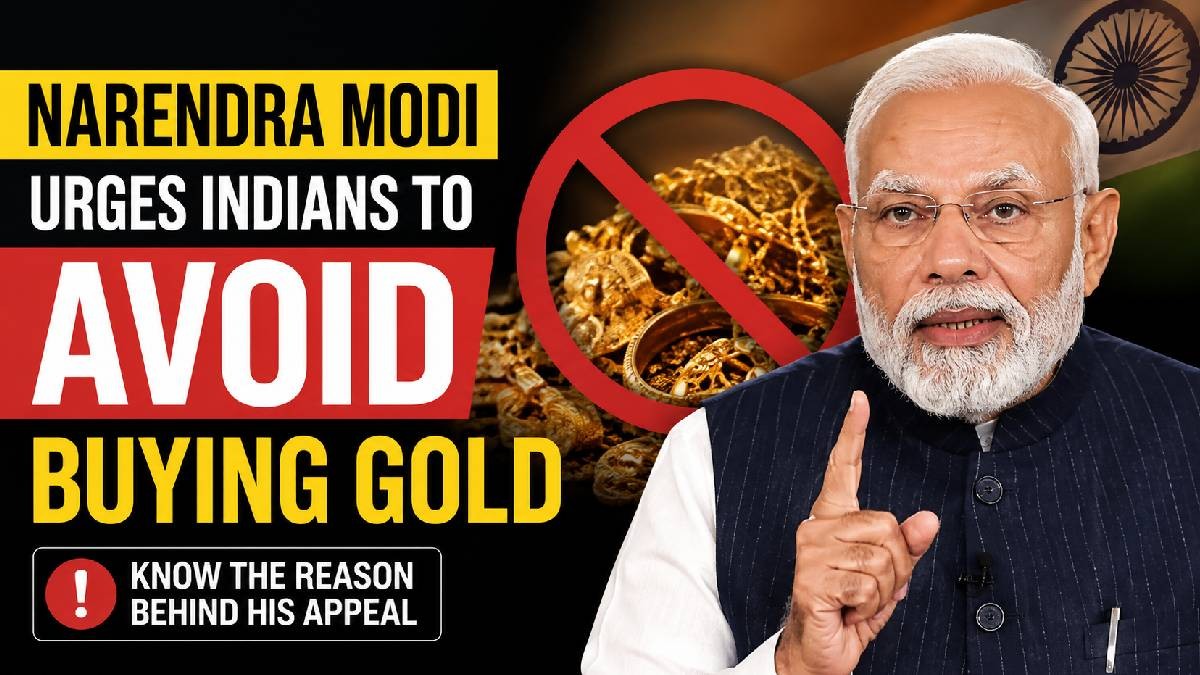
Modi reiterated the message on September 2, 2026, asking citizens to avoid non-essential gold purchases while also discouraging unnecessary foreign travel and overseas weddings. The Prime Minister linked these measures to the government's broader Swadeshi and self-reliance campaign.
Why Does India Want to Reduce Gold Purchases?
Gold is one of India's major import items. Since a large portion of the country's gold demand is met through imports, increased purchases can add pressure to the nation's import bill and foreign-exchange requirements.
According to recent reports, India's gold import bill reached around $71.98 billion in FY2025-26, making gold one of the country's largest import categories after crude oil. A reduction in unnecessary gold demand could therefore help reduce the outflow of foreign currency and potentially ease pressure on the trade deficit and rupee.
The appeal comes at a time when international commodity prices and geopolitical tensions have created additional uncertainty for India's economy.
Gold Imports Could Decline in September
The Prime Minister's latest appeal may have an impact on gold demand during the upcoming festive and wedding season, traditionally one of the strongest periods for jewellery purchases in India.
Industry estimates cited by The Economic Times suggest that India's gold imports could decline by around 15% in September 2026 following the renewed appeal. Any sustained reduction in imports could help moderate the pressure created by the country's gold demand.
However, gold remains deeply connected with Indian cultural traditions. Jewellery continues to play an important role in weddings, festivals and family functions, meaning that completely eliminating demand is unlikely.
What Modi Wants Citizens to Do
Modi's message is not simply about stopping gold purchases altogether. Reports indicate that the appeal is primarily directed at unnecessary or discretionary purchases. Citizens are being encouraged to think carefully before spending money on imported goods and overseas services.
The Prime Minister has also called for greater use of Indian-made products and services. The broader objective is to strengthen domestic economic activity while reducing spending that contributes to foreign-exchange outflows.
Impact on Gold Buyers and Jewellery Industry
The appeal has attracted attention from consumers, investors and the jewellery industry. Gold prices have also remained elevated, making large purchases more expensive for households.
At the same time, jewellery companies could face weaker demand if consumers postpone discretionary purchases. Recent market reports noted that jewellery stocks reacted negatively following Modi's remarks.
For consumers, the Prime Minister's statement is ultimately an economic appeal rather than a legal restriction on buying gold. Indians remain free to purchase gold, but the government is encouraging households to reduce non-essential purchases and contribute to conserving foreign exchange.