
India’s metro rail networks have expanded rapidly over the past two decades, transforming urban transportation in major cities. Among all metro systems, the Delhi Metro continues to dominate as the longest network in the country. Recent data highlights the top five longest metro networks in India, while cities like Hyderabad and Chennai are still working to catch up.
Delhi Metro Remains India’s Longest
Topping the list is the Delhi Metro with an impressive 416 kilometers of operational track length. Serving not only Delhi but also surrounding areas in the National Capital Region, the network has become a backbone of daily commuting. Its extensive reach connects residential areas, business districts, airports, and major railway stations, making it one of the most efficient public transport systems in India.
Mumbai and Bengaluru Continue Expanding
The second spot belongs to the Mumbai Metro, which currently operates around 101 kilometers of metro lines. With multiple new corridors under construction, the network is expected to grow significantly in the coming years, improving connectivity across Mumbai.
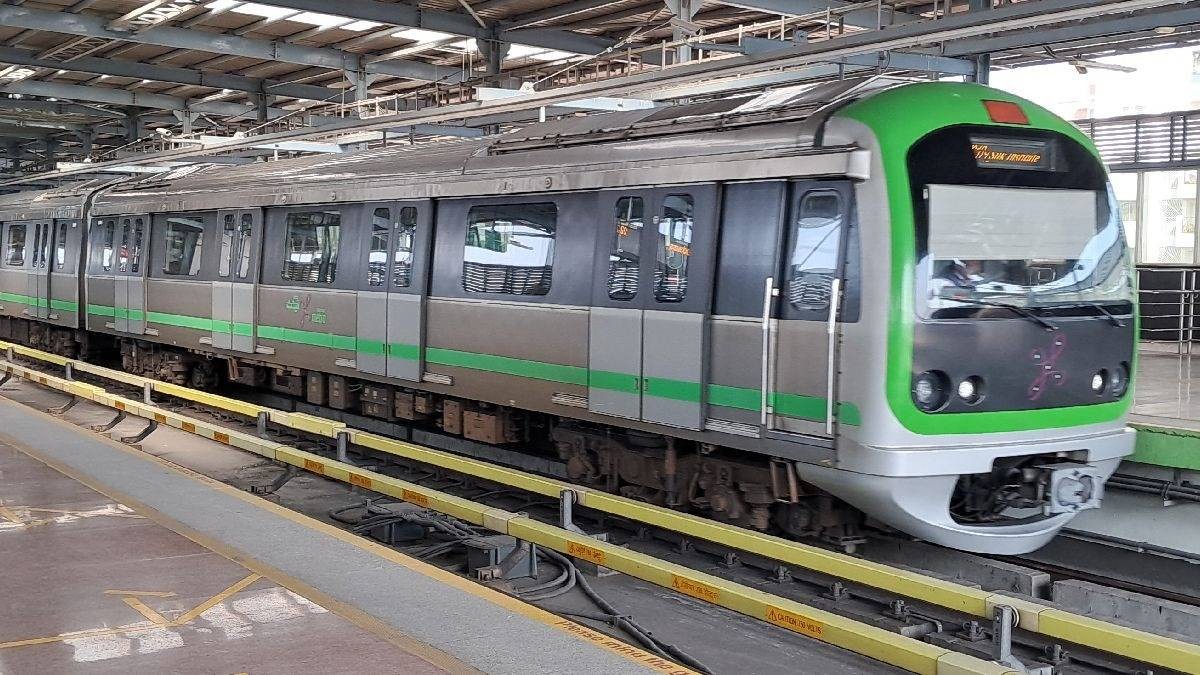
In third place is the Namma Metro in Bengaluru, covering about 96 kilometers. The city’s rapidly growing population has increased the demand for efficient transport, and expansion projects are already underway to extend metro connectivity to more suburban areas.
Kolkata and Ahmedabad Hold Fourth and Fifth Positions
The Kolkata Metro ranks fourth with approximately 74 kilometers of operational length. As the oldest metro system in India, it continues to expand gradually to meet the transportation needs of Kolkata.
Fifth on the list is the Ahmedabad Metro, which covers about 68 kilometers. The metro has played a key role in improving public transport infrastructure in Ahmedabad, reducing travel time and traffic congestion.
Hyderabad and Chennai Still Catching Up
Despite being major metropolitan cities, metro networks in Hyderabad and Chennai are currently shorter compared to the top five cities. The Hyderabad Metro and Chennai Metro are expanding steadily, but their current lengths place them behind the leading metro systems.
Growing Importance of Metro Rail
Metro networks are becoming essential for India’s urban future. They help reduce traffic congestion, lower pollution levels, and provide safe, fast, and reliable transportation for millions of commuters every day. With ongoing construction projects and government investment, more cities are expected to expand their metro networks in the coming years, narrowing the gap between leading and developing metro systems.