
US President Donald Trump is threatening to impose new tariffs on Canadian vehicles from January 1, escalating an already tense trade relationship between Washington and Ottawa.
The latest threat comes after trade negotiations between the United States and Canada collapsed, with both sides accusing each other of making changes to the proposed agreement at the last minute. The developments have raised concerns for the highly integrated North American automotive industry, where vehicles and components frequently cross the US-Canada border during production.
Carney Calls Trump’s Latest Tariff Threat No Surprise
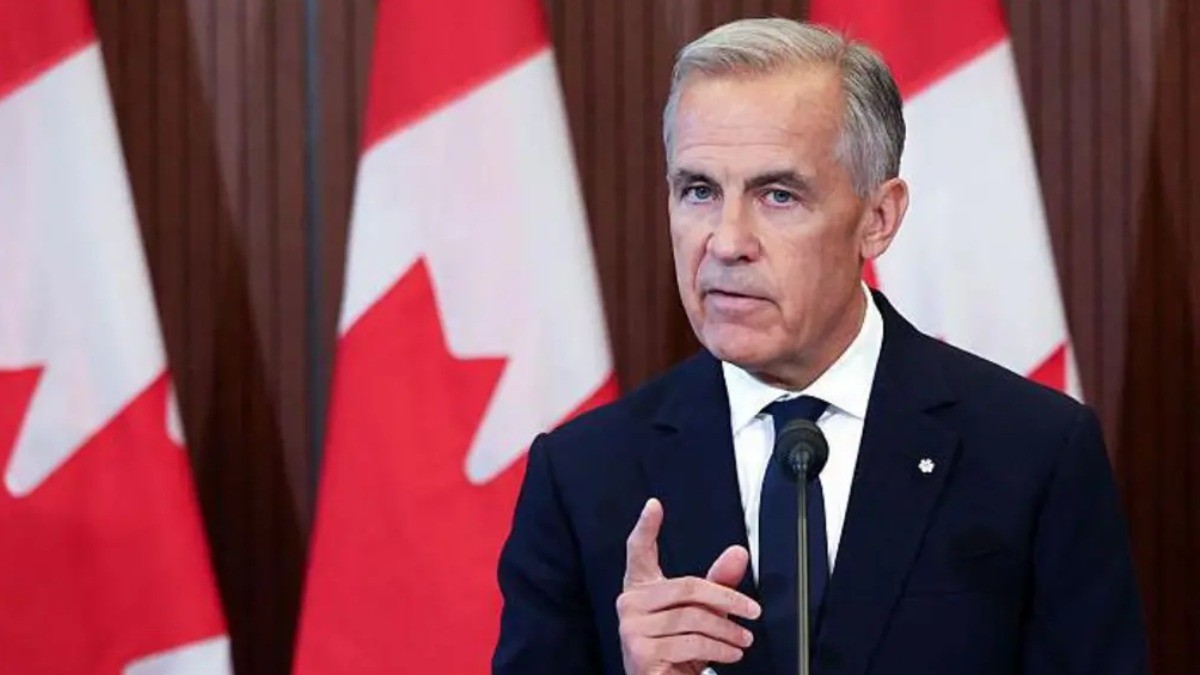
Canadian Prime Minister Mark Carney said Trump's latest threat was “not a surprise” and warned that increased duties on Canadian automobiles could also hurt American workers.
Canada is preparing a response to the latest US tariffs imposed on Canadian goods. Carney has said Ottawa intends to respond to the new measures as the trade dispute intensifies.
The Canadian government has also indicated that it will match certain US tariffs “dollar-for-dollar” beginning September 8. The proposed countermeasures include duties affecting products such as steel, dairy goods, appliances and electronics.
US-Canada Trade Talks Collapse
The latest escalation follows a period of negotiations in which both Washington and Ottawa had expressed optimism about reaching a trade agreement.
However, the talks broke down after the two countries failed to resolve differences over the terms of a potential deal. US trade officials accused Canada of seeking additional concessions, while Ottawa has maintained that it is protecting Canadian economic interests.
US Trade Representative Jamieson Greer criticised Canada's negotiating position, accusing the Canadian side of wanting changes to the agreement at the final stage of discussions.
The breakdown has now created fresh uncertainty for businesses on both sides of the border.
Why Canadian Auto Tariffs Matter
The automotive sector is particularly sensitive to tariffs because manufacturing supply chains in the United States and Canada are closely connected. Vehicles and parts can cross the border multiple times before a finished automobile reaches consumers.
New tariffs could therefore increase production costs for manufacturers and potentially push up prices for vehicles and components. US workers could also feel the impact if companies face higher input costs or reduced demand.
For Canada, the automobile industry is a major contributor to manufacturing and exports, making any new US duties particularly significant.
The dispute also comes at a time when businesses are already adjusting their supply chains in response to changing global trade policies.
With Trump threatening additional tariffs from January 1 and Carney preparing retaliatory measures, the US-Canada trade relationship faces another major test. Whether the two countries return to negotiations or proceed with further tariff increases will determine the next stage of the dispute.
For businesses and consumers, the key issue will be whether the latest escalation remains temporary or develops into a broader trade conflict between two of North America's closest economic partners.