
Girls Block Road in Lucknow Over Teacher Shortage Ahead of Exams
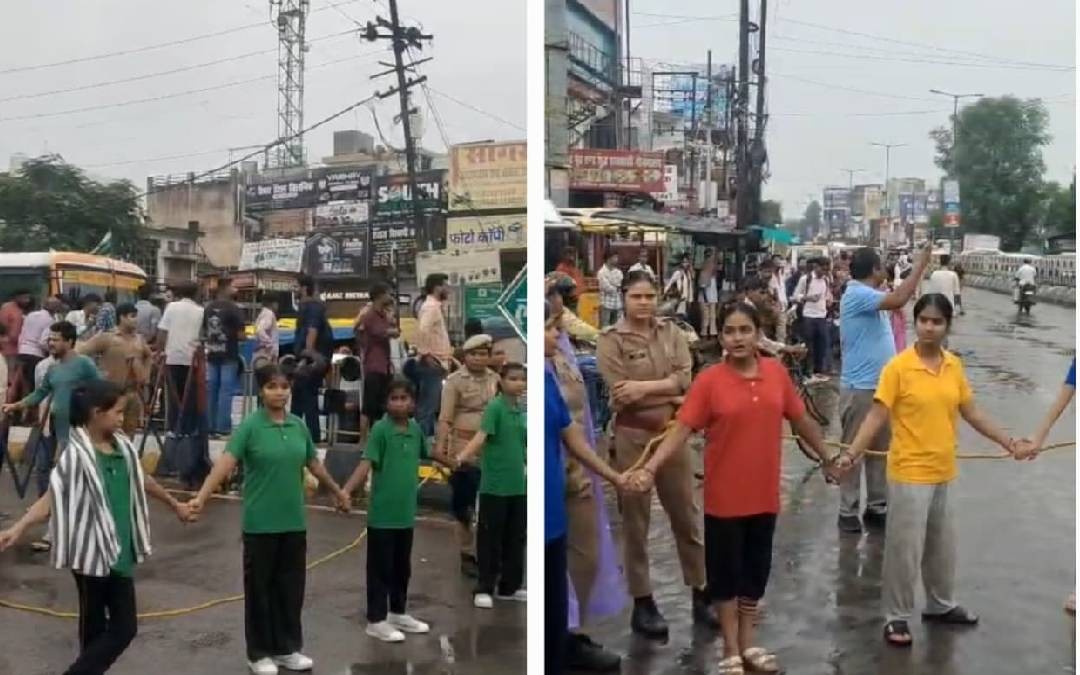
A group of schoolgirls reportedly staged a protest over an acute shortage of teachers, raising concerns about their education and preparations for upcoming examinations. The protest highlights the continuing challenges faced by students when schools remain understaffed, particularly at a time when examinations are approaching and regular classroom teaching becomes especially important.
The students' concerns centre on the lack of adequate teaching staff and the resulting disruption to academic activities. With important examinations nearing, students are worried that incomplete portions of the syllabus and limited classroom instruction could affect their performance. For students appearing for board or other crucial examinations, the availability of subject teachers is essential for completing lessons, revising important topics and clearing academic doubts.
पत्रकार:- कौन से स्कूल से है आप लोग
— Braj Shyam Maurya (@brijshyam8) August 17, 2026
छात्राए:- राजकीय जय प्रकाश नारायण सर्वोदय बालिका विद्यालय लखनऊ
पत्रकार:- क्या मांगो को लेकर आई है
छात्राए:- हमारे यहां टीचर नही है 6 महीनो से हमार बोर्ड पेपर आने वाले है, हम बर्बाद है
और मिनिस्टरी हमारी सुन ही नही रही है, हमारी प्रिसिंपल… pic.twitter.com/wDGwxaMNCU
Teacher shortages have remained a wider concern across several parts of India. Government schools in particular have faced staffing gaps, with teachers sometimes being assigned additional responsibilities outside regular teaching. A July 2026 report noted that government-school classes in some areas were affected after teachers were deployed for Special Intensive Revision-related duties, forcing schools to adjust timetables and, in some cases, place one teacher in charge of multiple classes. The disruption was also reported to be affecting preparation for examinations.
The latest protest underlines how staffing shortages can directly affect students' academic confidence. When subject-specific teachers are unavailable, students may have to depend on self-study or irregular classes. This can be particularly difficult for subjects that require regular classroom interaction, practical guidance and repeated problem-solving.
Parents and local residents are also likely to face concerns when students approach examinations without adequate academic support. For many families, school education is the primary source of structured learning, and prolonged teacher vacancies can create an unequal educational environment. Students from families unable to afford private tuition may be especially dependent on regular school teaching.
The issue also raises questions about teacher deployment and recruitment. While authorities may have administrative reasons for assigning teachers to other duties, maintaining sufficient teaching staff in classrooms is critical during examination periods. Temporary arrangements, guest teachers or transfers from nearby schools can potentially help reduce the immediate pressure while permanent vacancies are addressed.
Authorities are expected to examine the students' concerns and take measures to ensure that their academic preparation is not compromised. Providing teachers for key subjects, completing pending portions of the syllabus and arranging revision classes could help students prepare more effectively for their examinations.
The protest serves as a reminder that teacher availability is not merely an administrative issue but one that directly affects students' academic outcomes. As examinations draw closer, timely intervention will be important to ensure that students receive the teaching and guidance they need. The broader challenge of teacher shortages also requires sustained recruitment and better staff-management policies so that similar disruptions do not repeatedly affect students.