
PM Modi Scheme for Women: Business Loans Up to ₹1 Crore, Check Eligibility and How to Apply
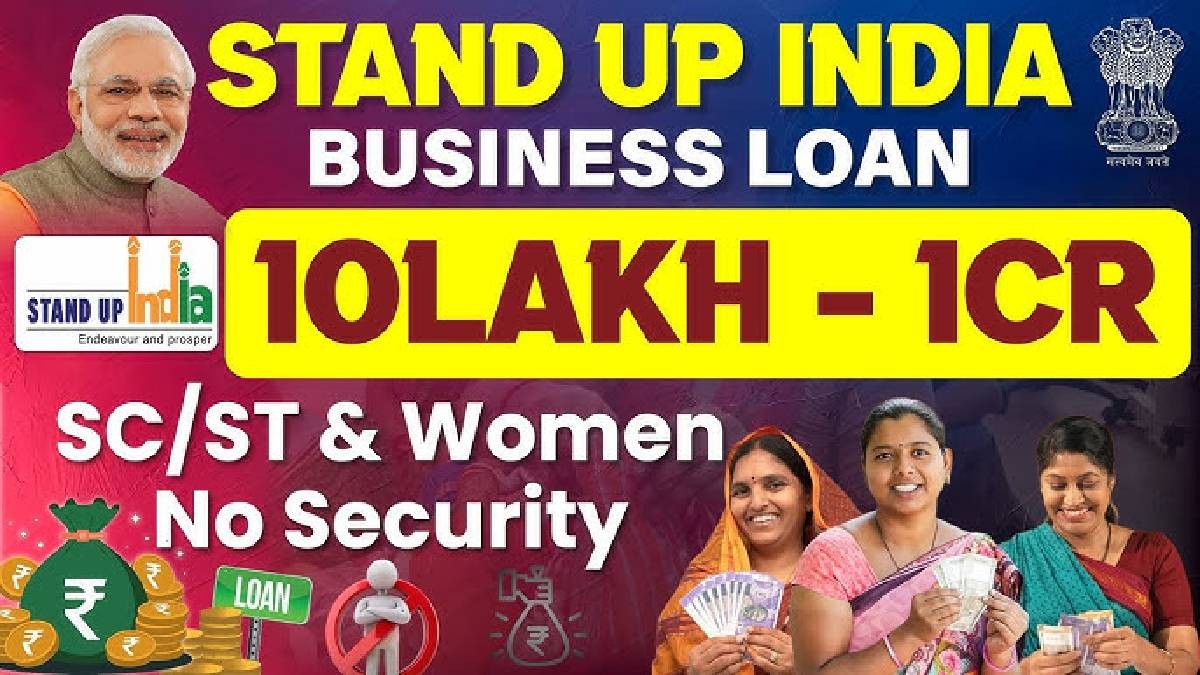
Women entrepreneurs in India can access several government-backed credit schemes designed to support business creation and expansion. Among the key initiatives is the Pradhan Mantri Mudra Yojana (PMMY), which provides collateral-free business loans to eligible entrepreneurs. However, claims that the scheme directly provides a ₹1 crore loan need to be understood carefully, as the maximum Mudra loan limit and eligibility conditions depend on the specific category and applicable government rules.
The government has increasingly focused on encouraging women to become financially independent by supporting small businesses, self-employment and entrepreneurship. Under PMMY, loans are available through banks, microfinance institutions and other authorised lending institutions for eligible income-generating activities. Women running or planning businesses in sectors such as manufacturing, trading, services and certain allied activities can seek financial assistance.
The Mudra loan structure is divided into categories based on the amount of credit required. Shishu loans cover smaller requirements, while Kishor and Tarun categories support businesses requiring higher levels of funding. The Tarun Plus category was introduced for eligible entrepreneurs who have successfully repaid a previous Tarun loan and need additional funding for business expansion. Applicants should check the latest official guidelines because the maximum amount and conditions can vary by scheme category.
For women entrepreneurs looking specifically for loans of up to ₹1 crore, other government-supported programmes and credit-guarantee mechanisms may be more relevant than a standard Mudra loan. Depending on the nature, size and requirements of the enterprise, women can explore schemes offered through institutions such as the National Small Industries Corporation (NSIC), banks and government-backed entrepreneurship programmes.
Eligibility generally depends on factors such as the applicant's age, business activity, credit history, repayment capacity and the nature of the proposed enterprise. Applicants may be asked to provide identity and address proof, PAN details, bank statements, business registration documents, a project report and other documents required by the lending institution.
Women planning to apply should first identify the appropriate government-backed scheme rather than relying on social-media claims promising guaranteed loans. The application can generally be initiated through an authorised bank, lending institution or the relevant government portal, depending on the scheme. The lender evaluates the proposal before approving and disbursing the loan.
Government credit programmes can provide valuable support to women entrepreneurs, but a loan is not a grant and approval is not automatic. Interest rates, repayment periods, collateral requirements and maximum loan amounts can differ according to the scheme and lender.
Women entrepreneurs should therefore verify the latest eligibility criteria and loan limits through official government sources before applying. This can help applicants avoid misinformation, fraudulent agents and websites that promise guaranteed approval in exchange for upfront payments.