India is expected to face a weak monsoon in 2026, with the India Meteorological Department (IMD) forecasting below-normal rainfall at about 92% of the long-period average (LPA). This raises concerns for agriculture, water supply, and the overall economy.
IMD Forecast for 2026
The IMD has released its first long-range forecast for the southwest monsoon season, which runs from June to September. According to the department, rainfall is likely to be 92% of the LPA, with a model error margin of ±5%. The LPA, calculated for the period 1971–2020, is 87 cm, meaning India may receive around 80 cm of rainfall this year. This marks the first below-normal forecast since 2023, breaking a three-year streak of near-normal monsoons.
Causes Behind the Weak Monsoon
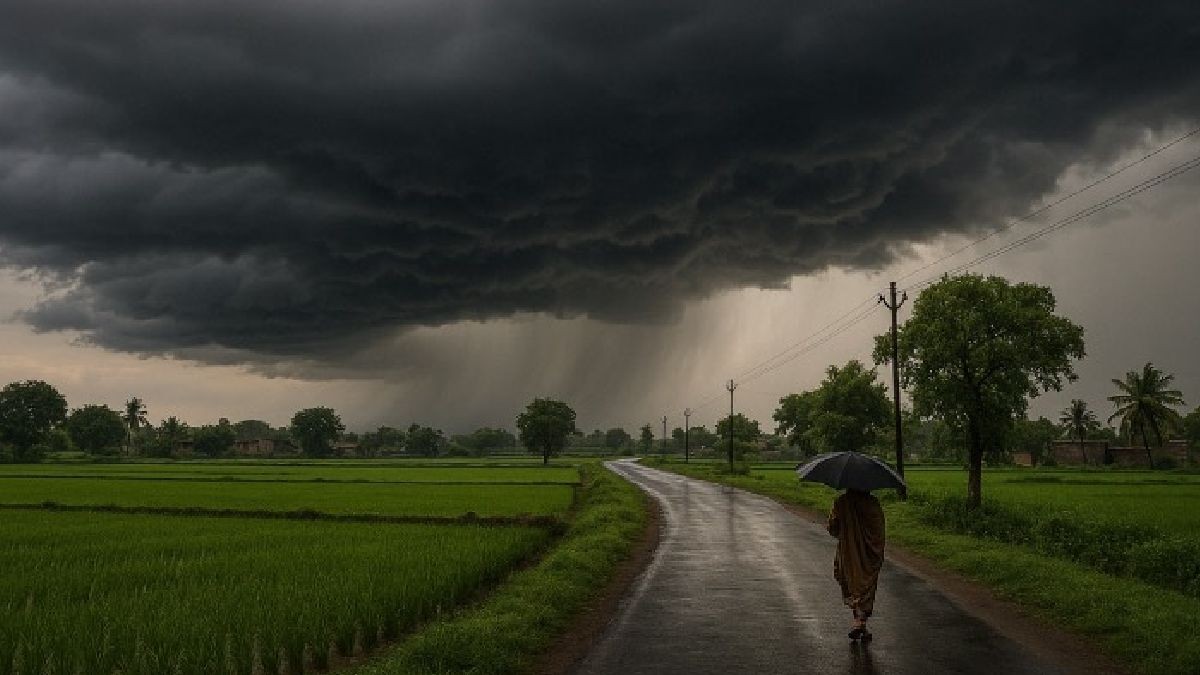
Meteorologists attribute the below-normal forecast to developing El Niño conditions in the Pacific Ocean, which typically suppress rainfall over South Asia. Additionally, shifting climate signals in both the Pacific and Indian Oceans are expected to influence monsoon circulation patterns. These global climate factors often lead to erratic rainfall distribution, with some regions experiencing drought-like conditions while others may see excess rain.
Impact on Agriculture and Economy
The southwest monsoon is critical for India, as it irrigates nearly half of the country’s farmland. A deficit in rainfall could affect crop yields, particularly for water-intensive crops such as rice, sugarcane, and cotton. This, in turn, may lead to higher food prices and strain rural incomes. Reservoir levels and groundwater recharge could also be impacted, affecting drinking water availability and hydropower generation.
Regional Concerns
While the IMD has predicted below-normal rainfall for the country as a whole, regional variations are expected. Some areas may still receive near-normal rainfall, while others could face significant deficits. States heavily dependent on monsoon rains for agriculture, such as Maharashtra, Karnataka, and Uttar Pradesh, are likely to be more vulnerable. Policymakers and farmers will need to prepare for uneven rainfall distribution, which could complicate crop planning and water management.
Preparedness and Outlook
Experts suggest that proactive measures such as efficient water management, crop diversification, and contingency planning will be crucial to mitigate the impact of a weak monsoon. The IMD will issue updated forecasts as the season progresses, providing more clarity on regional rainfall patterns. For now, the outlook signals caution, with India bracing for a challenging monsoon season that could test both its agricultural resilience and economic stability.